Edinburgh RoofingSpecialists
Request assessment

Slate and tile roofing in Edinburgh

Traditional slate, modern slate substitutes and roof tiles can look similar from a distance but require different questions. Record what is known and preserve material context for assessment.

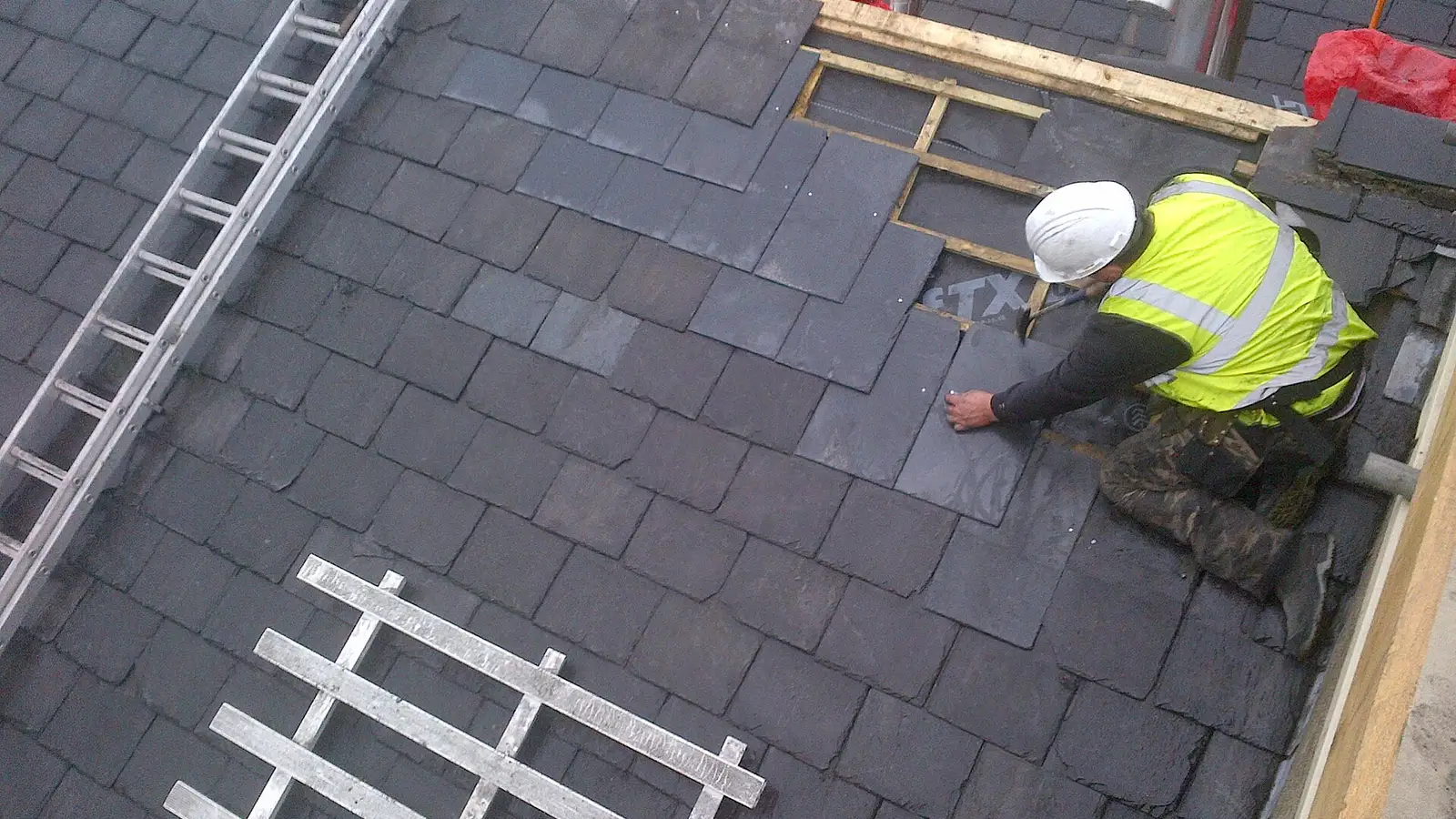
Roof slates being fitted in even overlapping courses
Slate detail

Identify carefully

Do not name the covering unless the material is known

Natural slate, fibre-cement slate and concrete or clay tiles differ in format, weight, fixing and repair considerations. If an invoice, specification or spare material is available, include it. Otherwise describe colour, shape, size and any markings on a safely recovered fragment rather than relying on a distant visual guess.

  • Photograph both sides of a fallen fragment at ground level.
  • Retain previous specifications and product records.
  • Describe the roof slope and pattern without climbing closer.

Traditional fabric

Edinburgh roofs can require matching-material and consent questions

On listed buildings and within conservation settings, the significance of original slate, ridge details, flashings and roof form may affect proposed work. Current council guidance should be checked before approving alterations. A close visual match does not automatically establish that a substitute material or fixing method is acceptable for the building.

  • Share listed or conservation status if known.
  • Check whether the proposal is a like-for-like repair or an alteration.
  • Keep samples until matching and permissions are resolved.
Edinburgh Old Town roofscape viewed across the city
Edinburgh roofs
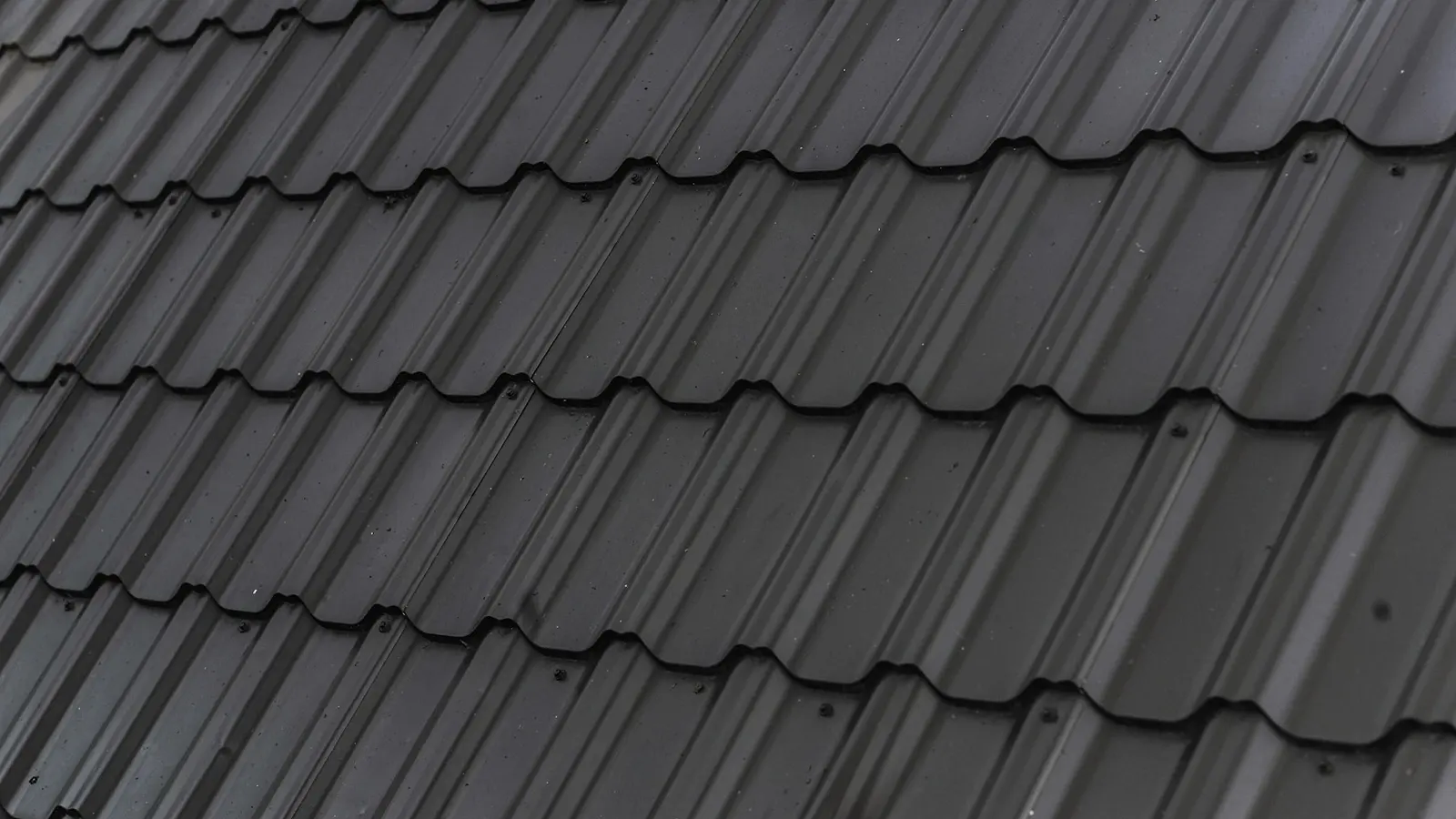
Close view of overlapping pitched-roof tiles and junctions
Roof covering

Connected details

Ridges, valleys, flashings and underlays matter with the covering

A displaced slate may be the visible part of a wider issue involving fixings, battens, underlay or adjoining junctions. Repeated local slips, debris from several areas or staining at a valley can justify a broader condition review. The enquiry should record patterns over time rather than assuming each loose unit is an isolated defect.

  • Note whether slips recur on the same slope.
  • Identify nearby valleys, dormers and chimney junctions.
  • Share the age of previous work only when documented.

Assessment route

Repair and renewal decisions need condition evidence

A local repair may be considered when a defect is limited and compatible materials can be sourced. More extensive work may be discussed where deterioration, fixing failure or repeated interventions affect a wider area. The decision should follow inspection, access and material evidence rather than an age threshold or lifespan claim on a website.

  • Ask how the extent of work was determined.
  • Confirm how reusable material will be handled.
  • Record adjacent details that are included or excluded from scope.
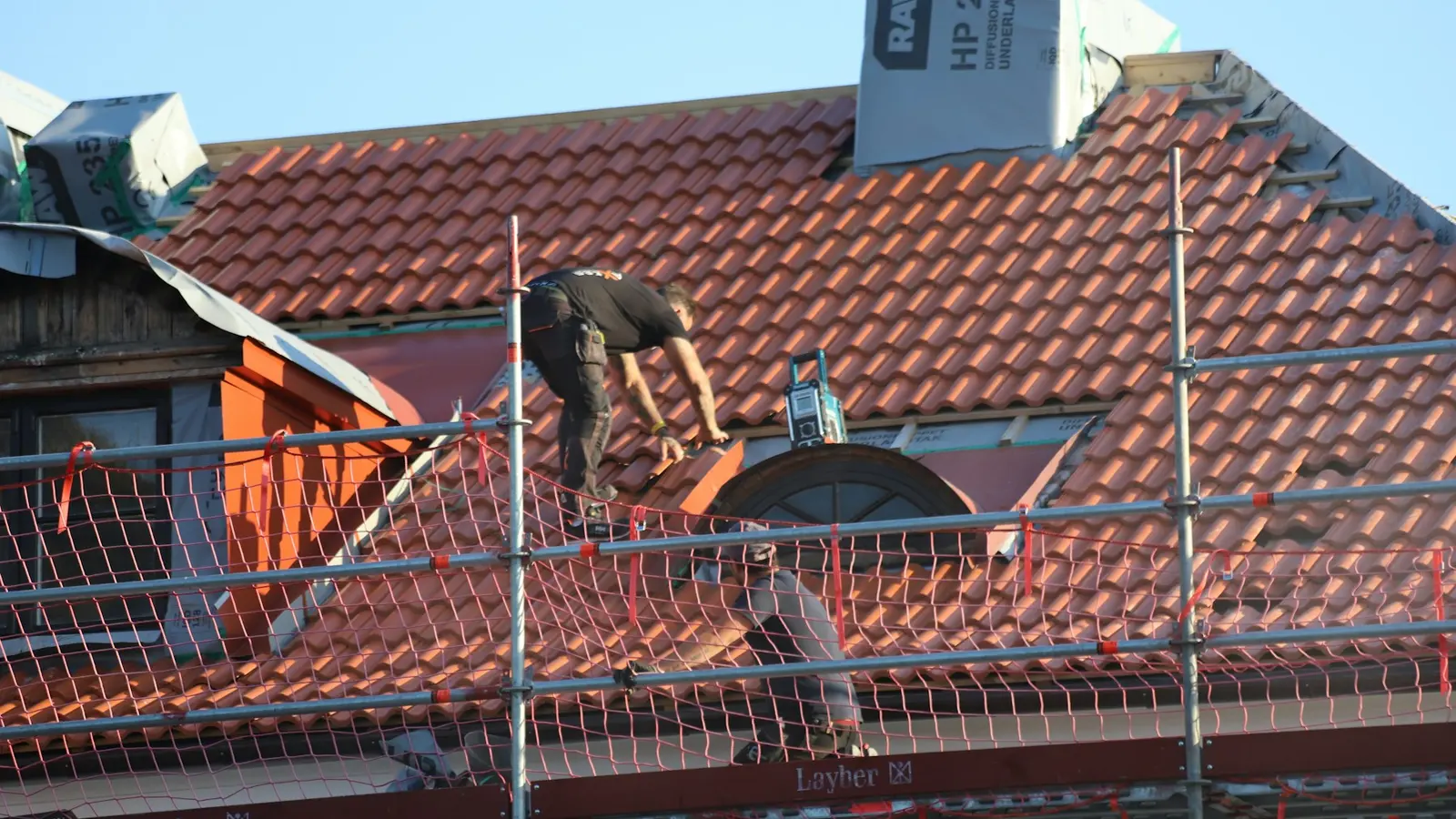
Worker examining a roof from secured access equipment
Safe access

Practical answers

Questions before an assessment

How can I tell whether my roof is natural slate?

Existing specifications or a safely recovered marked fragment are more reliable than a distant photograph. An assessment may still be needed to confirm the covering.

Must replacement slates match the existing roof?

Compatibility, appearance and any planning or listed-building requirements should be checked for the specific property before materials are approved.

Do a few slipped slates mean the whole roof needs replacing?

Not necessarily. The pattern, fixings, surrounding condition and history need evidence before repair extent is decided.

Next step

Ready to prepare the roof enquiry?

Request assessment

Tell us what you have noticed

Six short steps collect the details needed to route a roofing enquiry. Stay at ground level and never climb onto a roof to gather information.

Step 1 of 1