Edinburgh RoofingSpecialists
Request assessment

Roofing services for Edinburgh properties

Use the visible signs, roof form and purpose of the enquiry to choose a relevant route. An assessment can still begin when you are unsure what the defect is.

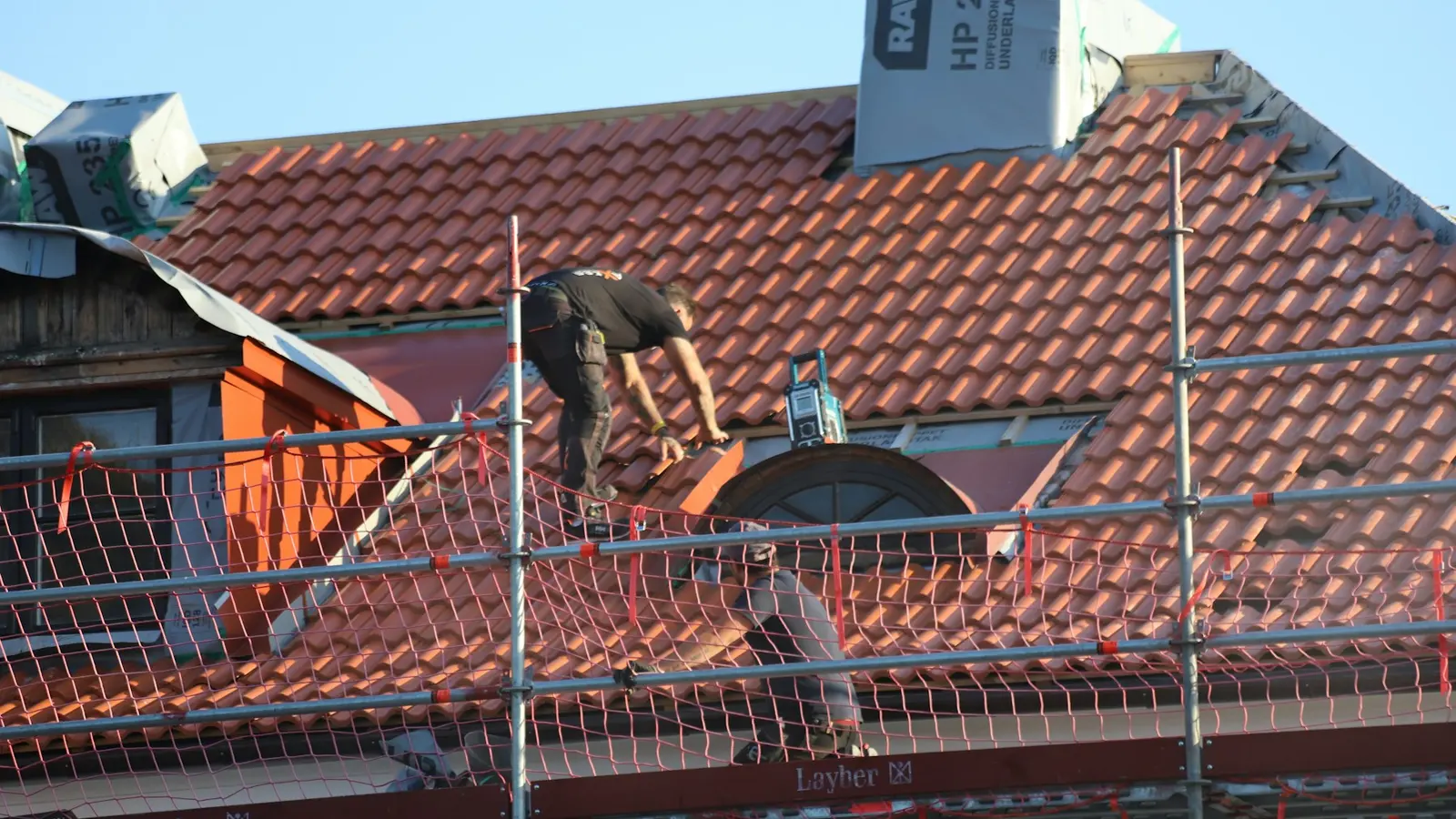
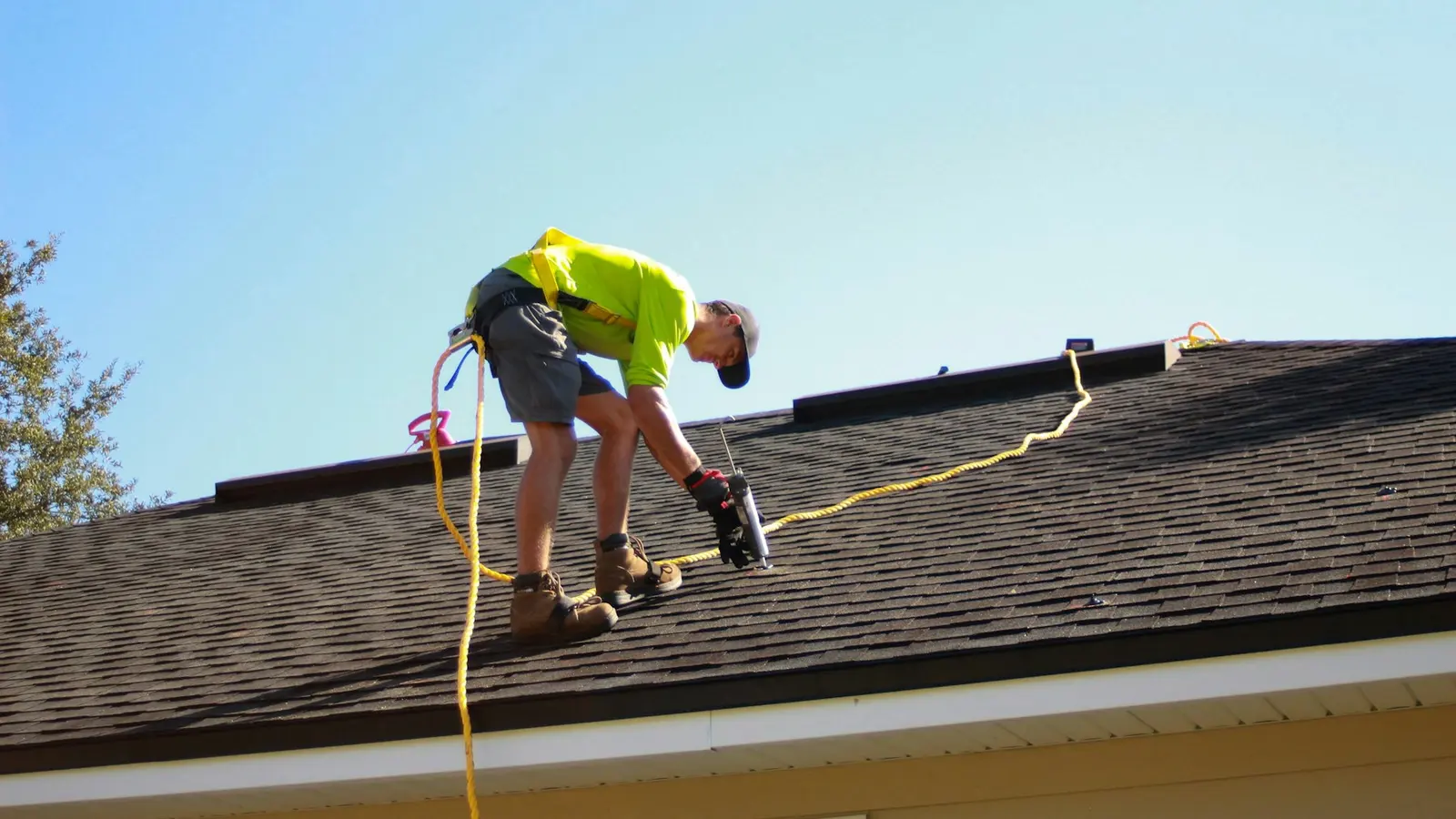
Worker examining a roof from secured access equipment
Roofing workers using secured access on a pitched roof
Roof assessment

Repair routes

Localised damage and active leaks need a clear timeline

The roof repair route is intended for a specific sign such as water ingress, a displaced covering, storm debris or deterioration around an opening. Explain whether the problem is active, intermittent or historic, and identify the room or elevation involved. A repair enquiry should describe evidence rather than naming a cause that has not been assessed.

  • Use the roof repairs page for a defined concern.
  • Use roof inspections for broader condition questions.
  • Mention immediate interior hazards separately.
Roof coverings

Slate, tile and flat roofs raise different preparation questions

For pitched roofs, any known slate or tile type, previous patching and fallen fragments can be useful. Flat-roof enquiries benefit from noting outlets, upstands, edge details, standing water visible from a safe position and how the room below is used. Material choice should follow an assessment of the existing construction and any planning constraints.

  • Do not assume every dark pitched covering is natural slate.
  • Record flat-roof edges and outlets only from safe viewpoints.
  • Share old invoices or specifications if they are available.
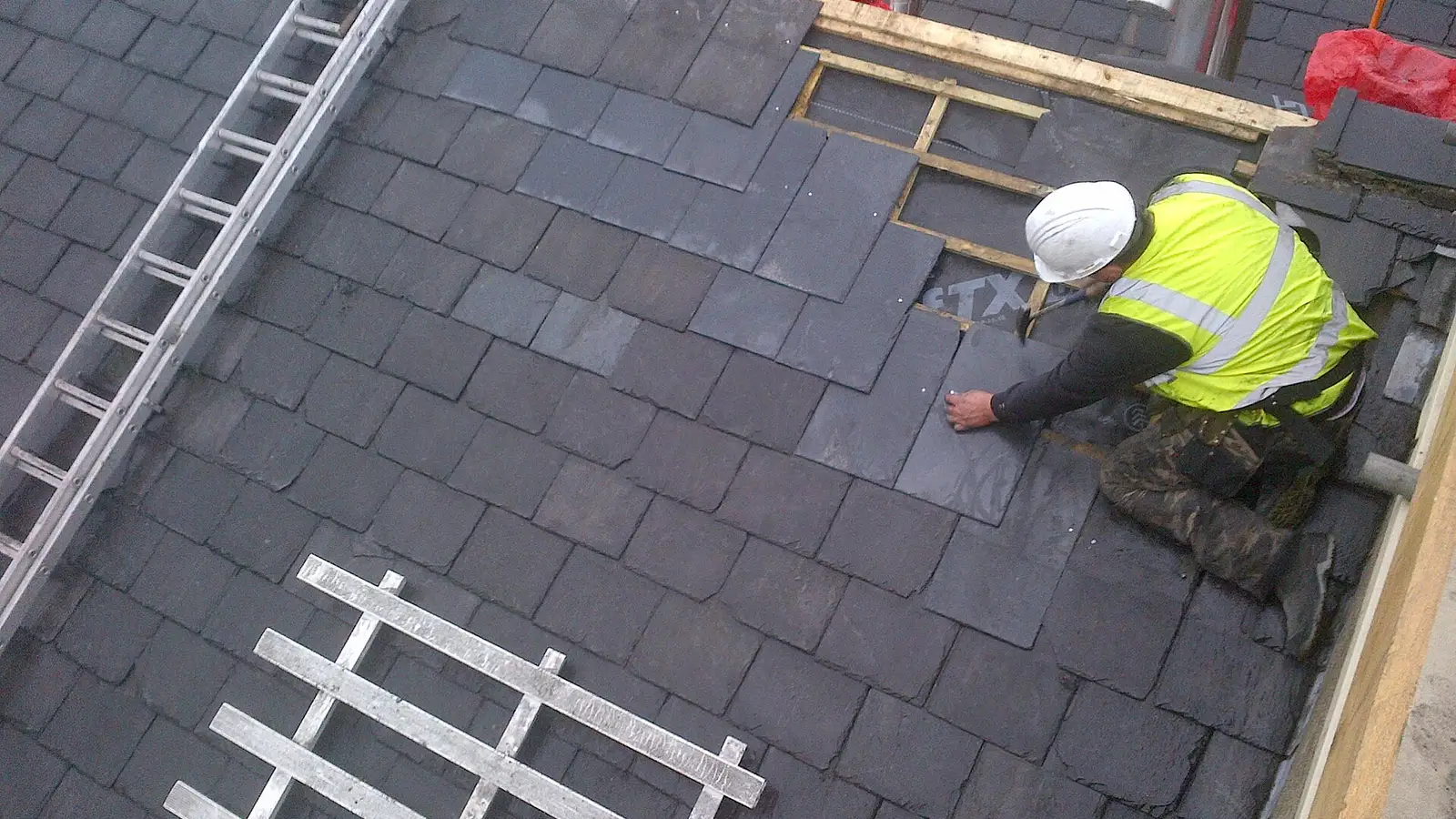
Roof slates being fitted in even overlapping courses
Slate detail
Pitched roof edge, gutter and eaves viewed from ground level
Water route

Junctions and drainage

Chimneys, leadwork, gutters and roofline form connected water routes

Water may appear some distance from the point where it enters, especially around roof junctions and penetrations. Chimney flashings, valleys, parapets, gutters, downpipes and eaves should therefore be described in relation to the affected slope and room. Overflow during heavy rain is different evidence from a constant drip in dry weather.

  • Note which elevation shows staining or overflow.
  • Identify whether a downpipe appears blocked from ground level.
  • Include chimney or parapet location without attempting access.

Planned work

Commercial and shared-building enquiries need decision context

A landlord, factor, owner group or business may need a defined inspection scope, access plan and record of findings before choosing work. Include who can authorise access, occupied hours, known permits, shared-owner responsibilities and any tender or reporting requirements. Those details help separate a simple domestic enquiry from a coordinated commercial instruction.

  • Name the decision-making role, not an unconfirmed budget.
  • Flag public, staff or tenant access below the work area.
  • State whether a written condition record is required.
Roofing workers positioned on a large commercial roof
Commercial planning

Practical answers

Questions before an assessment

Can I request help if I do not know the roof type?

Yes. Describe the building, visible covering and signs without guessing. The enquiry can be routed using the information you do know.

Is a roof inspection the same as a repair quote?

No. An inspection scope can document condition or investigate a concern; pricing and repair options depend on what the assessment establishes.

Do photographs confirm which service is needed?

Photographs can add context, but they may not show concealed construction or the path water has taken. They should not be treated as a diagnosis.

Next step

Ready to prepare the roof enquiry?

Request assessment

Tell us what you have noticed

Six short steps collect the details needed to route a roofing enquiry. Stay at ground level and never climb onto a roof to gather information.

Step 1 of 1