Edinburgh RoofingSpecialists
Request assessment

Slate roof maintenance in Edinburgh

Maintenance planning starts with safe observation and an accurate material record. It should preserve roof context rather than rely on a generic age or replacement interval.

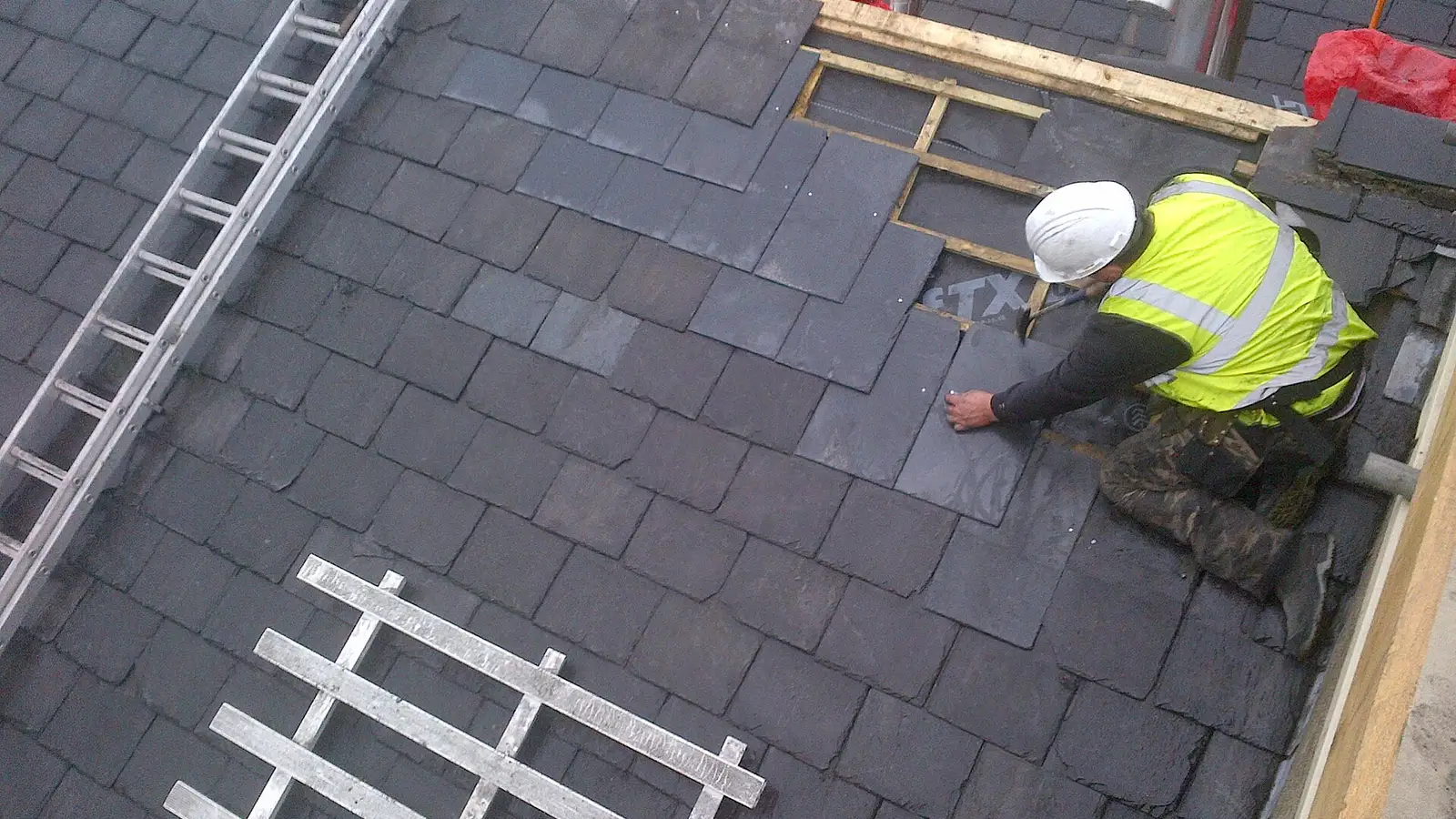
Roof slates being fitted in even overlapping courses
Slate detail

Routine observation

Look for changes from normal safe viewpoints

From the street, garden or a normally used window, note newly uneven courses, displaced units, debris, ridge changes or staining at eaves. Compare with dated photographs when available. Do not climb onto the roof or use binocular observations to declare a slate sound or defective; the purpose is to record change for a maintenance enquiry.

  • Use the same wide viewpoint for later comparisons.
  • Record fallen fragments only where they are safe to approach.
  • Note repeated changes on the same slope.
Material record

Keep samples, invoices and specifications linked to the roof area

Older and newer roof sections may use different slates, substitutes, fixings and underlays. Label spare material and documents with the elevation and date of work. A material that looks similar in a photograph may not have the same size, thickness, source or performance, so compatibility needs property-specific assessment.

  • Store safely recovered samples in a dry labelled location.
  • Keep product and contractor records with building documents.
  • Do not infer material solely from colour.
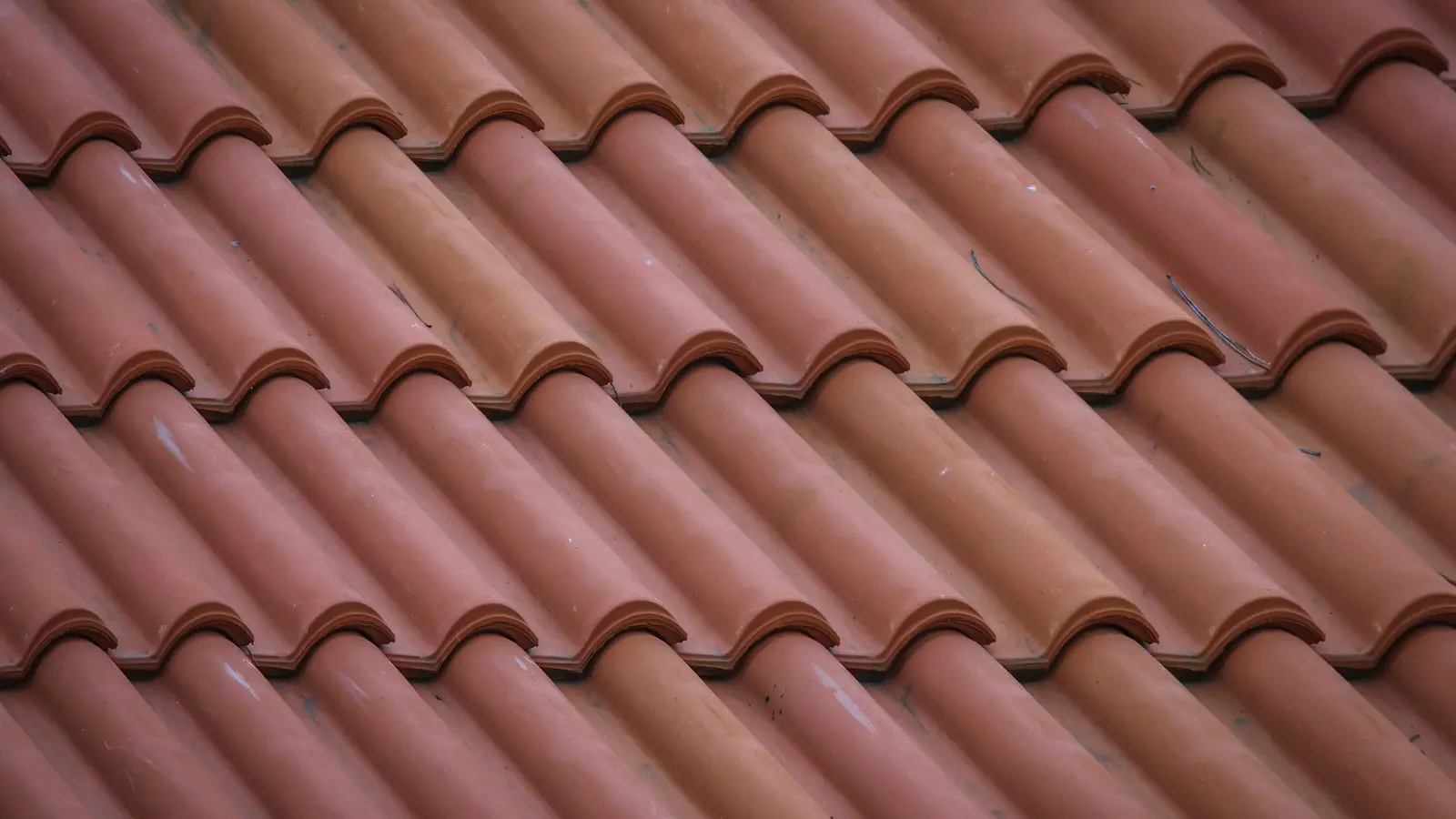
Close view of overlapping pitched-roof tiles and junctions
Roof covering
Pitched roof edge, gutter and eaves viewed from ground level
Water route

Whole roof detail

Include ridges, flashings, valleys and rainwater goods

Slate does not operate separately from the details around it. Repeated slips, valley debris, failed rainwater routes or changes around chimneys may alter maintenance priorities. Ask for visible limitations and adjoining elements to be recorded so a proposed local task is understood in the context of the complete roof slope.

  • Map junctions and drainage to each elevation.
  • Separate routine clearing questions from repair scope.
  • Record inaccessible areas rather than assuming their condition.

Protected buildings

Check building status before changing visible roof fabric

City guidance for listed buildings and conservation areas emphasises the importance of original materials and details. Repairs matching the original may be treated differently from alterations, but the owner should check current requirements for the actual proposal. This guide does not grant consent or prescribe a substitute slate.

  • Confirm listing and conservation status from current records.
  • Describe proposed changes before materials are ordered.
  • Retain evidence of any advice or consent with the property file.
Edinburgh Old Town roofscape viewed across the city
Edinburgh roofs

Practical answers

Questions before an assessment

How often should a slate roof be inspected?

This site does not set a universal interval. Building condition, recent events, access and professional advice should inform a suitable plan.

Can a fallen slate be reused?

That depends on its identity, condition, dimensions and compatibility. Keep it only when safe, and do not assume it is suitable for reuse.

Does a listed building always need consent for slate repairs?

Requirements depend on the proposal. Like-for-like repairs may be treated differently from alterations, so check current council guidance and seek advice where needed.

Next step

Ready to prepare the roof enquiry?

Request assessment

Tell us what you have noticed

Six short steps collect the details needed to route a roofing enquiry. Stay at ground level and never climb onto a roof to gather information.

Step 1 of 1