Edinburgh RoofingSpecialists
Request assessment

Safe roofing advice before an assessment

These guides help you protect the interior, record useful context and prepare questions. They do not replace a roof assessment or ask you to work at height.

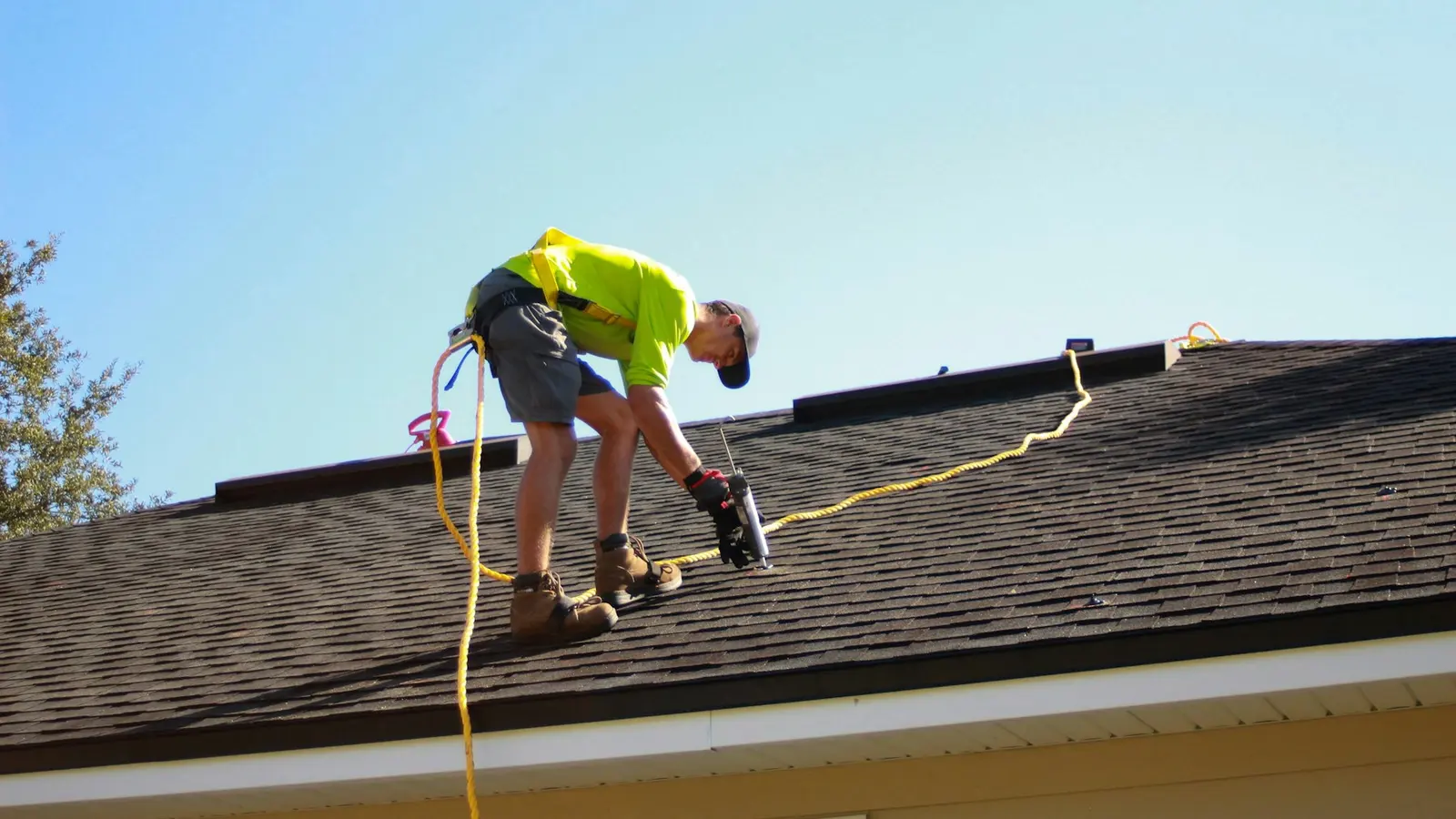
Worker examining a roof from secured access equipment
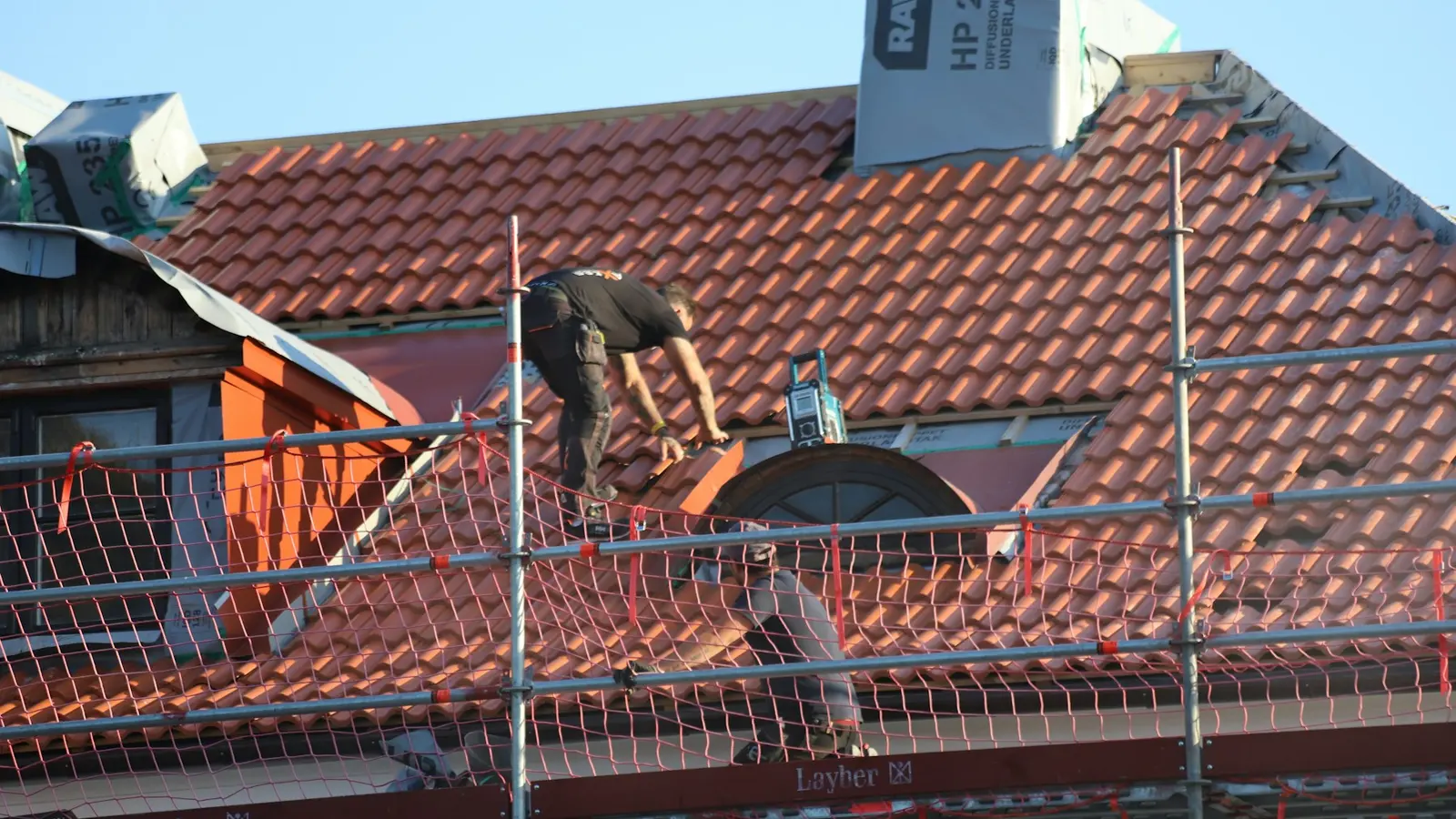
Roofing workers using secured access on a pitched roof
Roof assessment

Active leak

Protect people and the room before collecting evidence

When water is entering, keep away from sagging ceilings and electrical fittings, move belongings only when safe, and use a container for a simple drip if it can be reached from the floor. Record when the leak began and whether it changes with rain. Do not enter a loft or touch wet electrics if conditions appear unsafe.

  • Prioritise hazards over photographs.
  • Record the affected room and ceiling area.
  • Do not puncture, dismantle or climb to investigate.
Photographs

A small, ordered photo set is more useful than a risky close-up

Start with a wide interior view, then a closer image of staining or damage, followed by a safe exterior view from ground level or a normal window. Include fallen material beside a ruler only if it can be handled safely. Label the elevation and date so images can be understood without relying on memory.

  • Keep original files rather than screenshots.
  • Avoid digital zoom that removes context.
  • Never use a ladder solely to obtain a photograph.
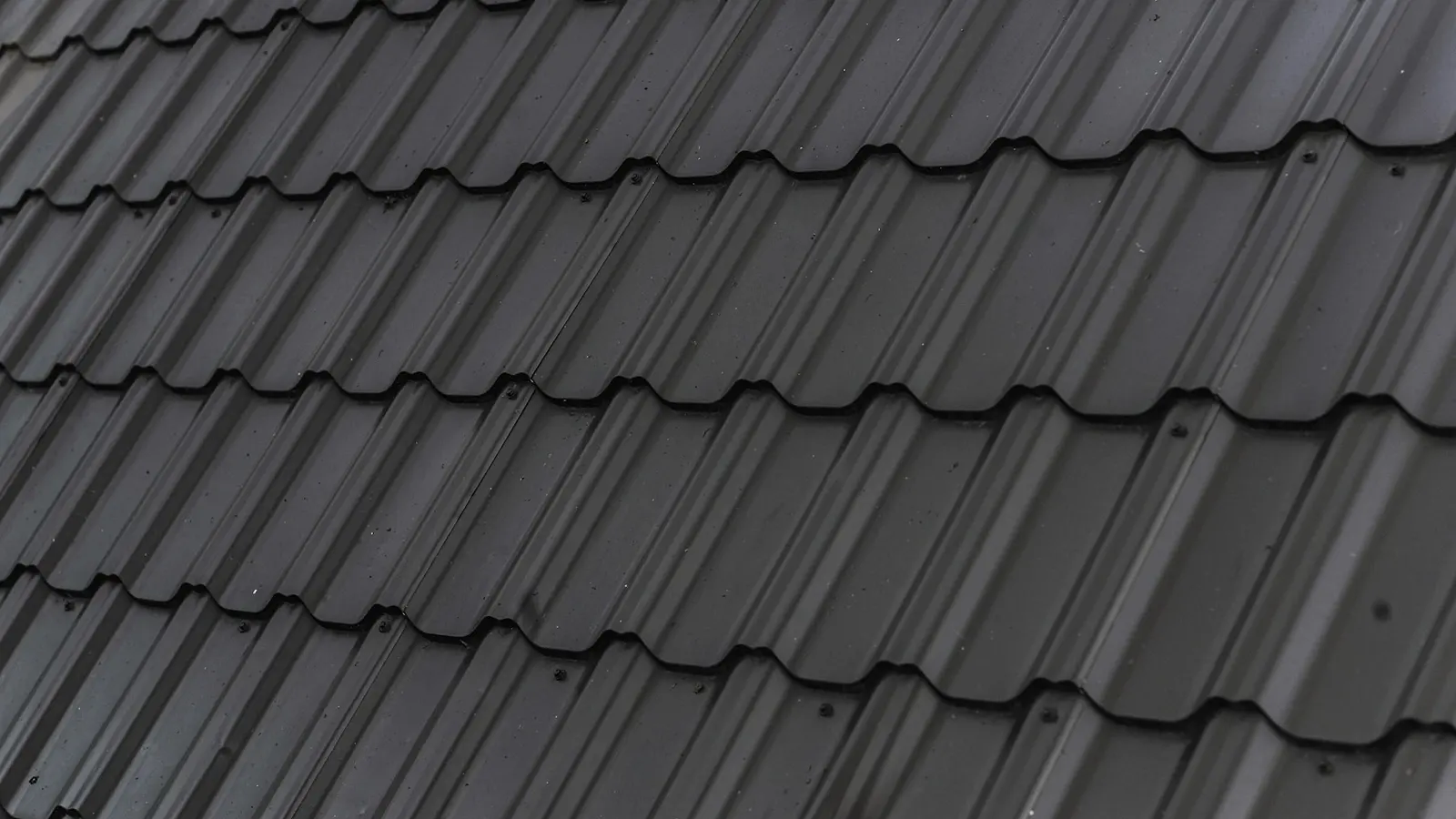
Close view of overlapping pitched-roof tiles and junctions
Roof covering
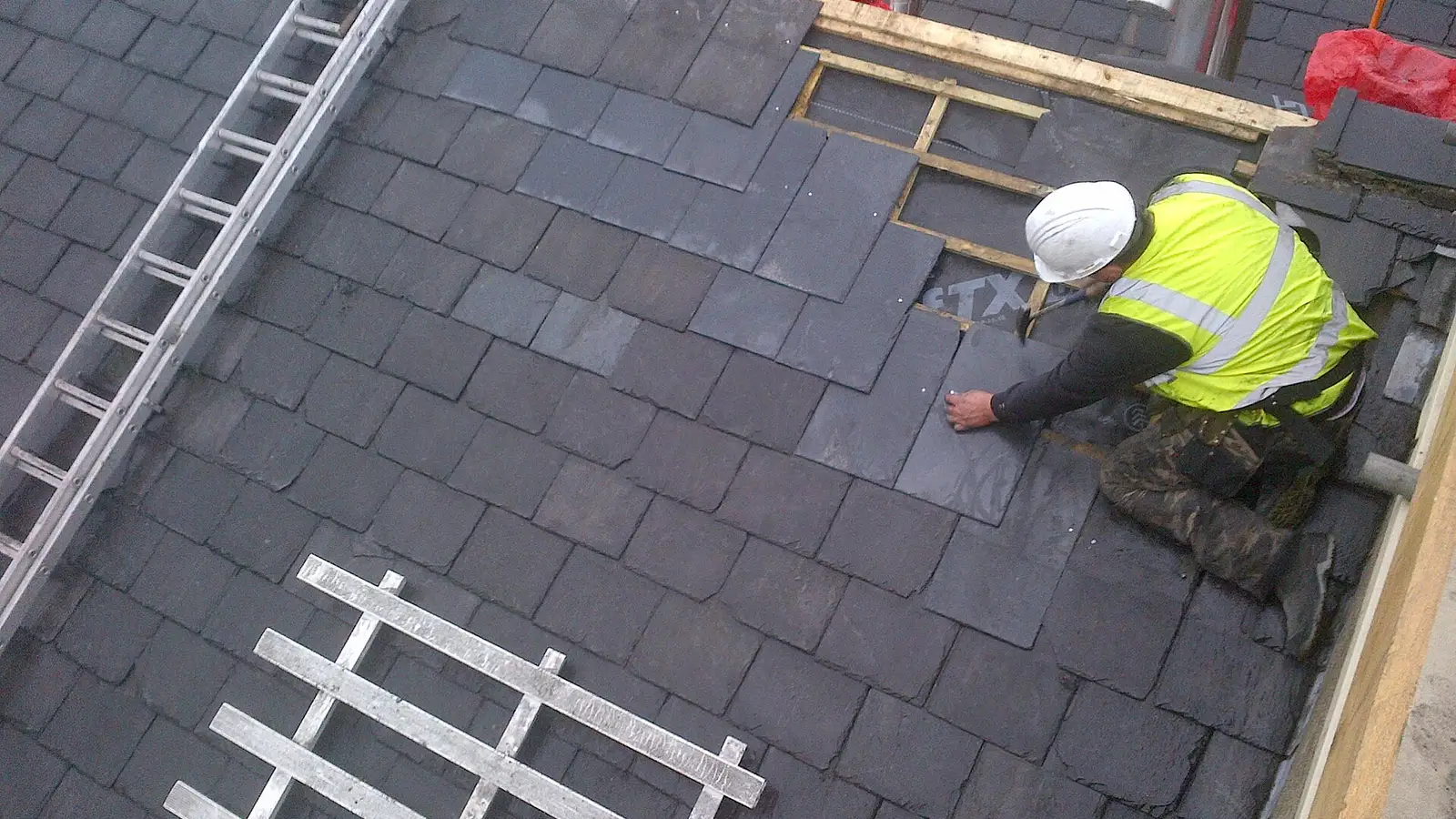
Roof slates being fitted in even overlapping courses
Slate detail

Traditional roofs

Slate maintenance starts with material and building context

Edinburgh guidance for traditional buildings emphasises compatible roof materials and details such as slate, ridges, flashings and rainwater goods. If you know the building is listed or in a conservation area, include that status in the enquiry. Matching appearance does not by itself establish that a proposed material or method is appropriate.

  • Keep previous roof specifications or invoices.
  • Photograph loose fragments only from a safe location.
  • Check permissions before approving material changes.

Advice boundary

Online guidance cannot identify concealed defects

Water can travel along timbers, membranes and junctions before it appears indoors. A photograph may show the symptom while missing the entry point or condition of the supporting construction. Use the guides to organise observations, then request an assessment when the cause, extent or safe next step remains uncertain.

  • Do not treat a web page as a diagnosis.
  • Separate observed facts from assumptions.
  • Escalate immediate safety concerns to the appropriate emergency service or utility.
Pitched roof edge, gutter and eaves viewed from ground level
Water route

Practical answers

Questions before an assessment

Can these guides tell me where water is entering?

No. They help organise observations, but the entry point may be concealed or distant from the visible stain.

Is it safe to look from a loft hatch?

Only use areas that are normally accessible and safe. Do not enter a loft with wet electrics, unstable flooring, falling material or any other apparent hazard.

Should I remove a loose slate or clear a gutter myself?

Do not undertake roof work or work at height based on this website. Keep clear of falling-material zones and seek an appropriate assessment.

Next step

Ready to prepare the roof enquiry?

Request assessment

Tell us what you have noticed

Six short steps collect the details needed to route a roofing enquiry. Stay at ground level and never climb onto a roof to gather information.

Step 1 of 1