
Edinburgh RoofingSpecialists
Request assessment

Roofing help for Edinburgh properties

Start with the signs you can safely see. Compare roofing routes, understand Edinburgh property considerations and send the details needed for an informed assessment.

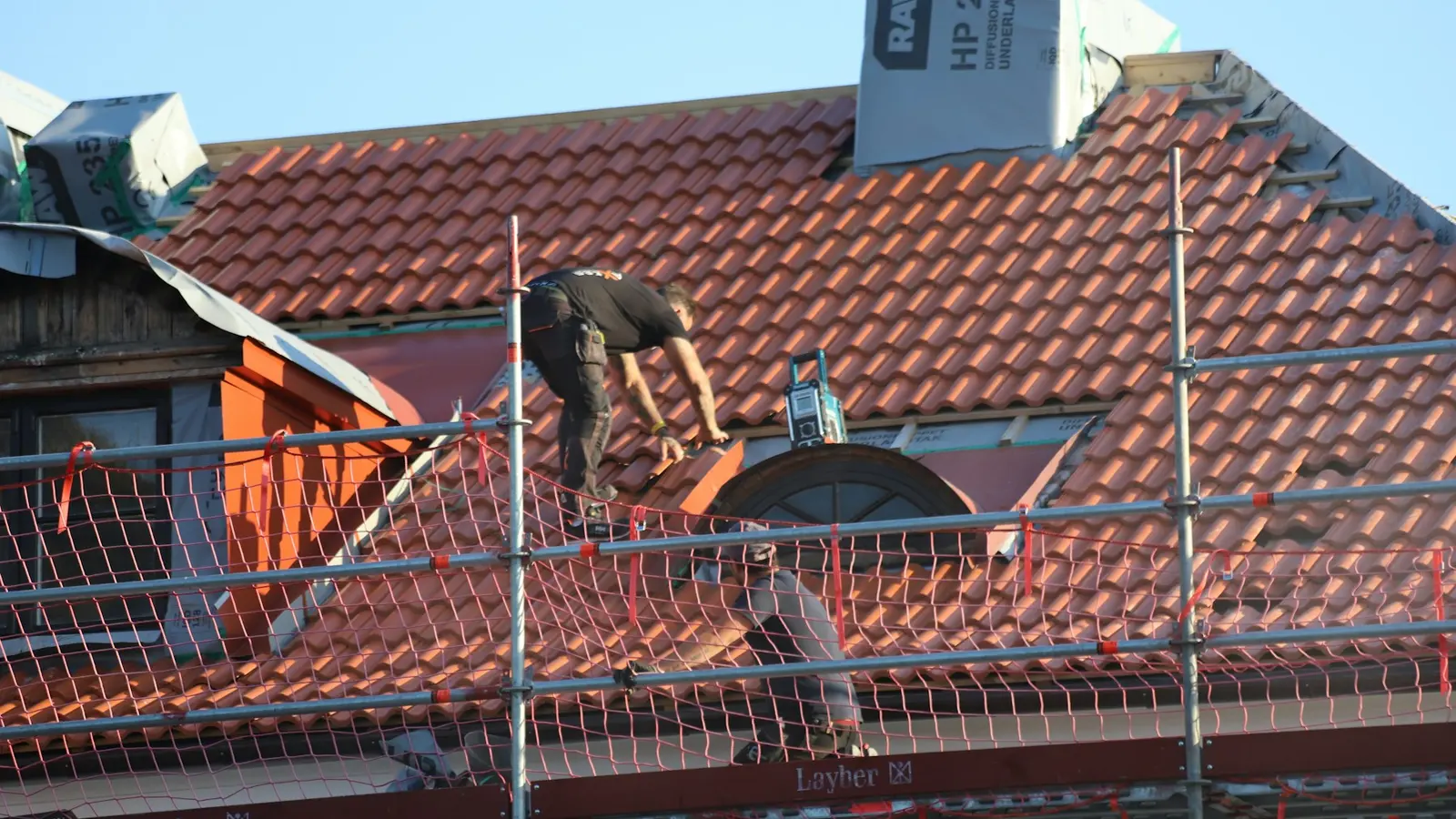
Roofing workers using secured access on a pitched roof
Close view of overlapping pitched-roof tiles and junctions
Roof covering

Choose a route

Begin with the symptom, not an assumed diagnosis

A ceiling mark, displaced slate, overflowing gutter and damp chimney breast can point to different parts of the roof, but the visible sign alone may not confirm the cause. The service routes explain what information is useful for repairs, inspections, flat roofs, slate and tile coverings, leadwork, chimneys and roofline drainage before anyone discusses work.

  • Record where the sign appears and when it changes.
  • Note the roof type only if you already know it.
  • Use an inspection route when the condition or cause is unclear.

Edinburgh context

Building type, ownership and access belong in the first enquiry

Edinburgh enquiries can involve upper-floor tenements, shared roofs, narrow streets, rear extensions or buildings in conservation areas. Those details affect who may need to be involved and how an assessment could be planned. Flat owners should check title deeds and shared-repair arrangements; listed-building owners should check whether proposed alterations need consent before approving changes.

  • Identify whether the roof may be a common part of the building.
  • Mention controlled parking, locked closes or restricted rear access.
  • Share listed-building or conservation-area status if it is known.
Edinburgh Old Town roofscape viewed across the city
Edinburgh roofs
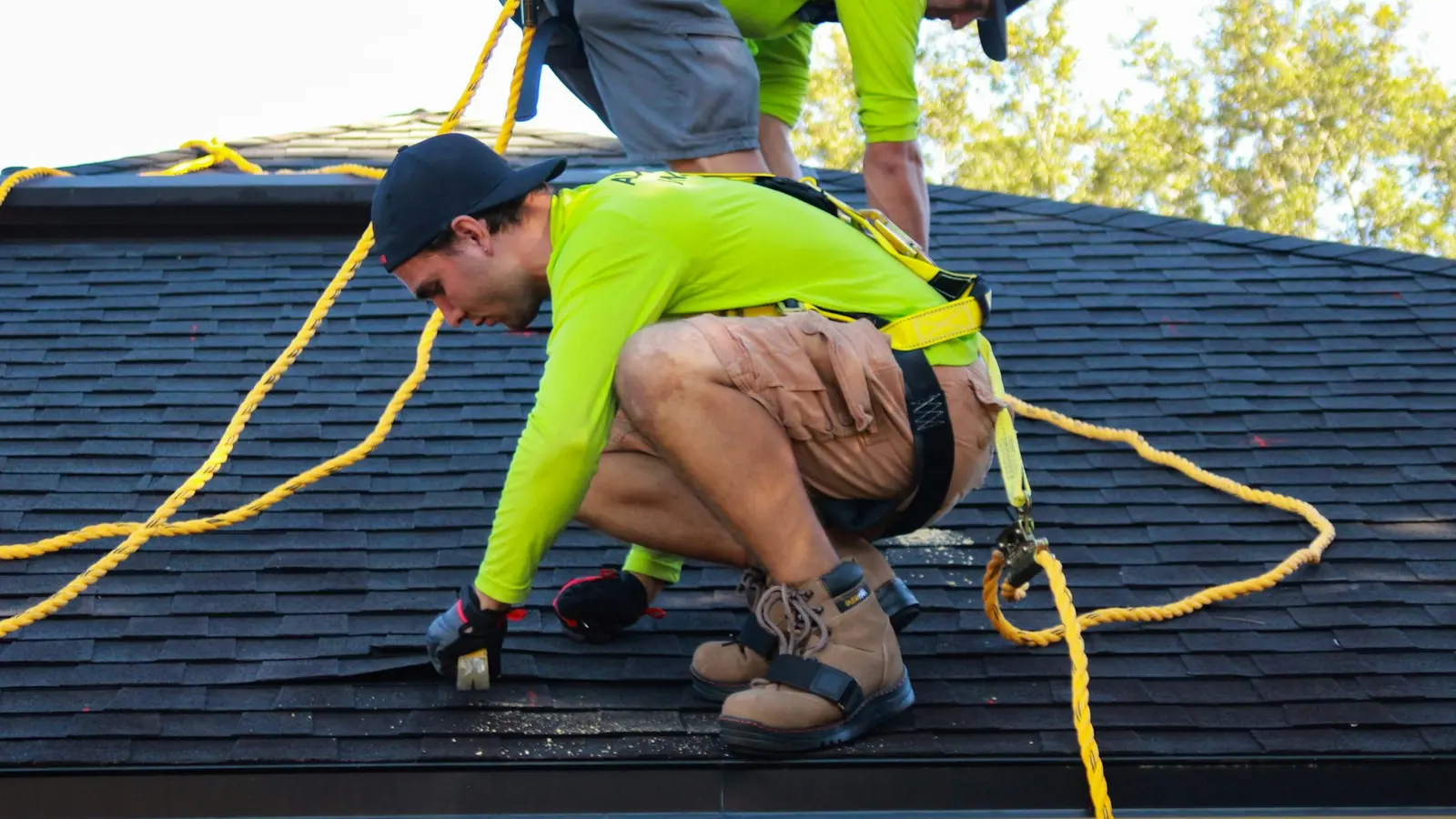
Worker examining a roof from secured access equipment
Safe access

Safety first

Useful evidence does not require climbing onto the roof

Roof work is hazardous, and surfaces that look solid may be fragile. Stay inside or at ground level when gathering information. Interior photographs, a view from a normal window, the location of fallen debris and a simple timeline after rain can establish context without creating another risk. Keep people away from any area where material may fall.

  • Do not use ladders, access hatches or adjoining roofs for photographs.
  • Move belongings away from active drips when it is safe to do so.
  • Treat sagging ceilings, exposed electrics or falling material as urgent hazards.

Structured enquiry

Send the essentials once, in a form designed for roofing

The assessment form asks for the main concern, signs observed, postcode, property type, access notes, timing and contact preference. It does not ask you to diagnose the roof or promise that a photograph is enough. Those details give a connected operator a clearer starting point for deciding whether more information, an inspection or another route is appropriate.

  • Six short steps with progress shown throughout.
  • Optional phone number and a required email route.
  • A privacy confirmation before any details are sent.
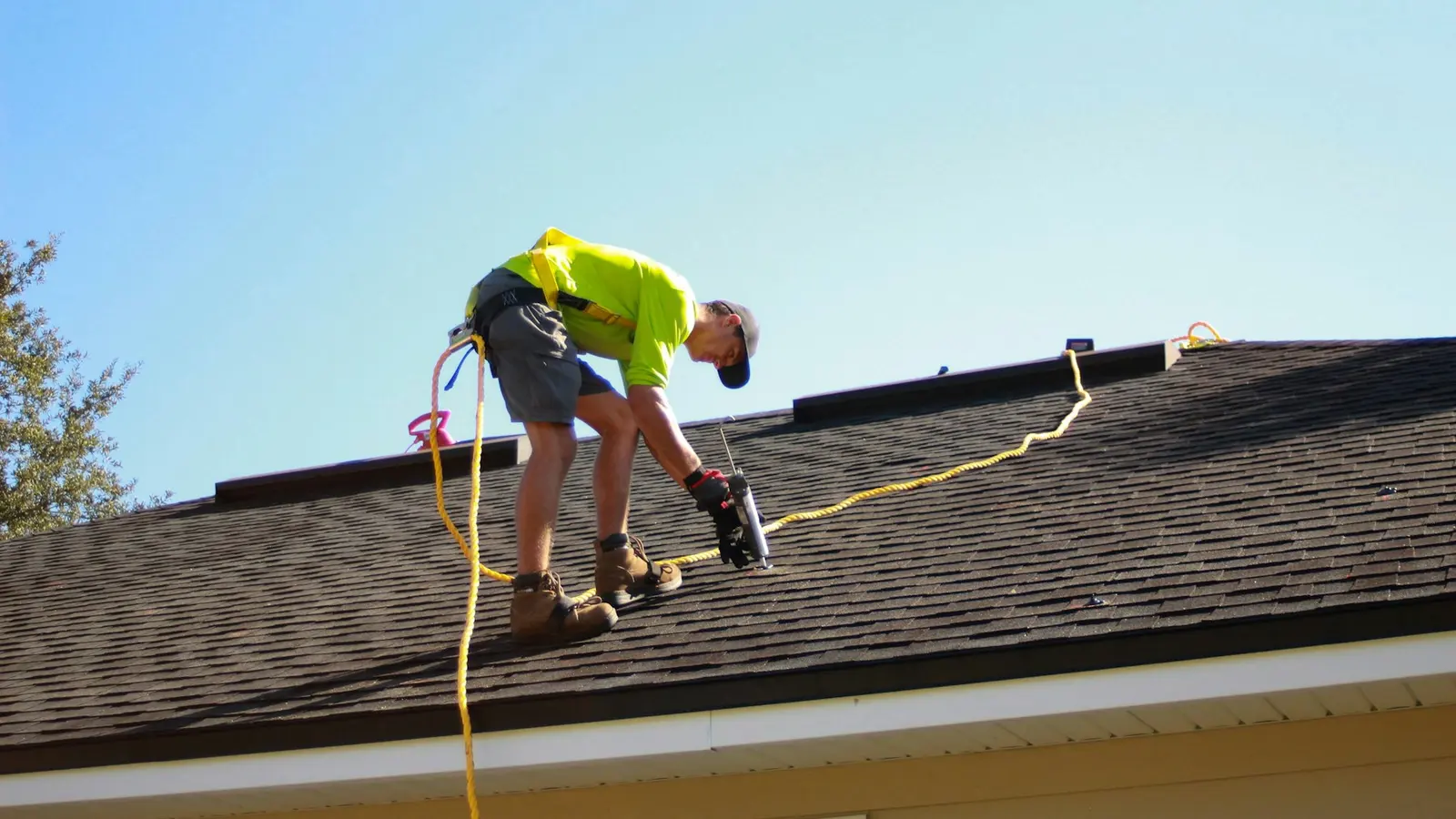
Roofing workers positioned on a large commercial roof
Commercial planning

Practical answers

Questions before an assessment

Which roofing service should I choose?

Choose the route that best matches the visible sign. If the cause or overall condition is unclear, use the roof inspection route or select 'something else' in the assessment form.

Should I go onto the roof to check the problem?

No. Roof work is hazardous and some surfaces can be fragile. Use safe interior or ground-level observations and keep clear of areas where material could fall.

What happens after an assessment enquiry?

Once a real roofing operator and form recipient are connected, the submitted details can be reviewed to decide the appropriate next step. The website does not promise a diagnosis, price or attendance time.

Next step

Get the roof concern assessed

Request assessment

Tell us what you have noticed

Six short steps collect the details needed to route a roofing enquiry. Stay at ground level and never climb onto a roof to gather information.

Step 1 of 1