Edinburgh RoofingSpecialists
Request assessment

Commercial roofing enquiries in Edinburgh

Commercial roof work starts with the building operation, responsible contact, access controls and decision purpose, not a generic domestic enquiry form with a company name added.

Roofing workers positioned on a large commercial roof
Commercial planning

Operational context

Describe how the premises are used and when they are occupied

A shop, office, hospitality venue, workshop and managed residential block create different risks below and around roof access. Include trading or occupied hours, vulnerable areas, deliveries, alarms, permits and any process that cannot be interrupted. This helps frame assessment options without promising that work can occur during normal operations.

  • Identify the site contact and authorising role.
  • Mark public entrances and staff routes below.
  • Record shutdown or noise restrictions that are already known.
Property information

Plans, maintenance records and previous scopes reduce avoidable uncertainty

Provide available roof plans, covering specifications, drainage layouts, previous reports and repair records. State what is known to be current and what may be historic. Documents can guide questions but should not replace verification of the existing roof, particularly where extensions, plant or overlays have been added over time.

  • List roof zones and approximate access points.
  • Include plant, vents, rooflights and mounted equipment.
  • Keep superseded documents labelled rather than discarding them.
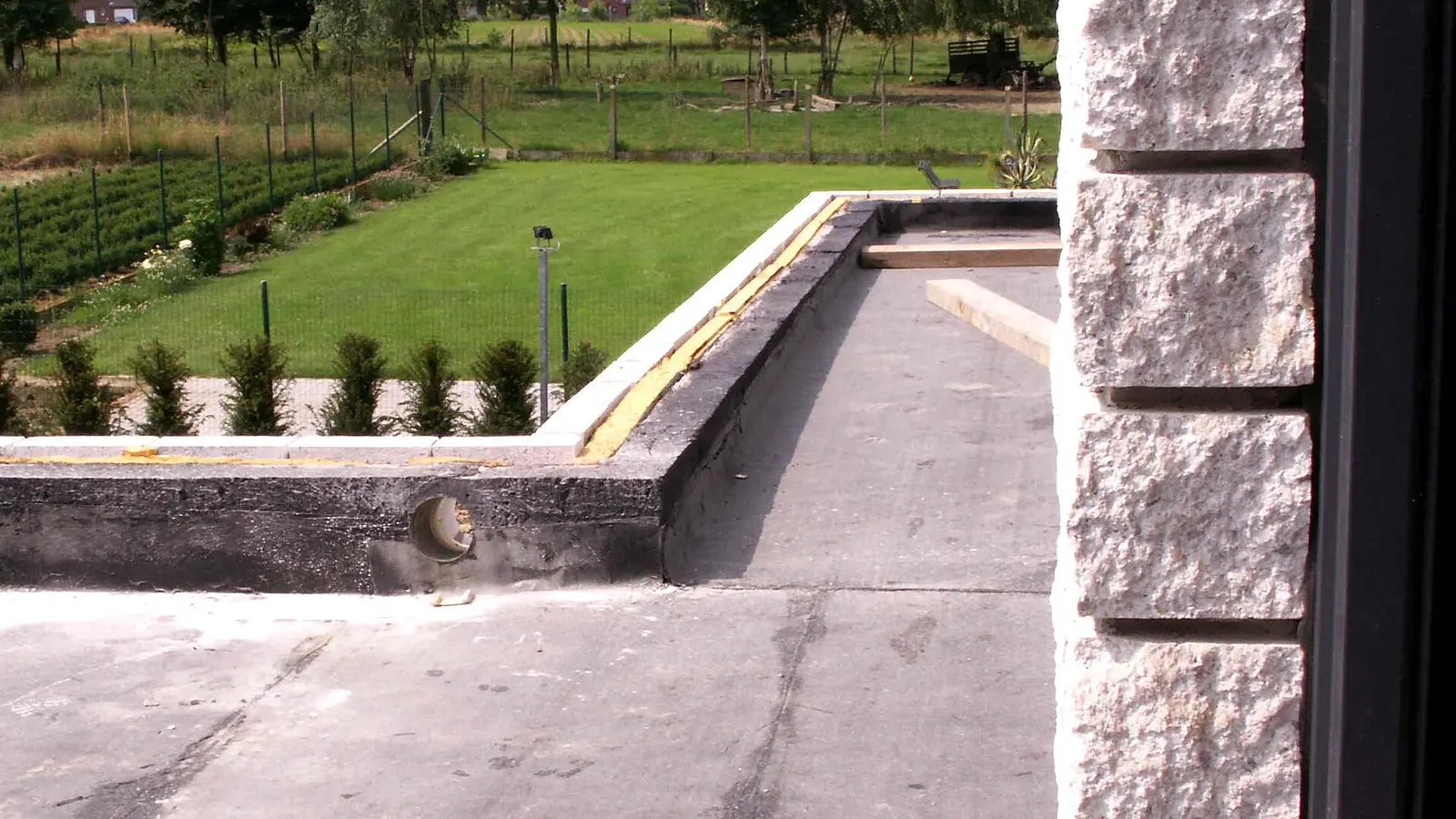
Flat roof covering being installed around a roof opening
Flat roof detail
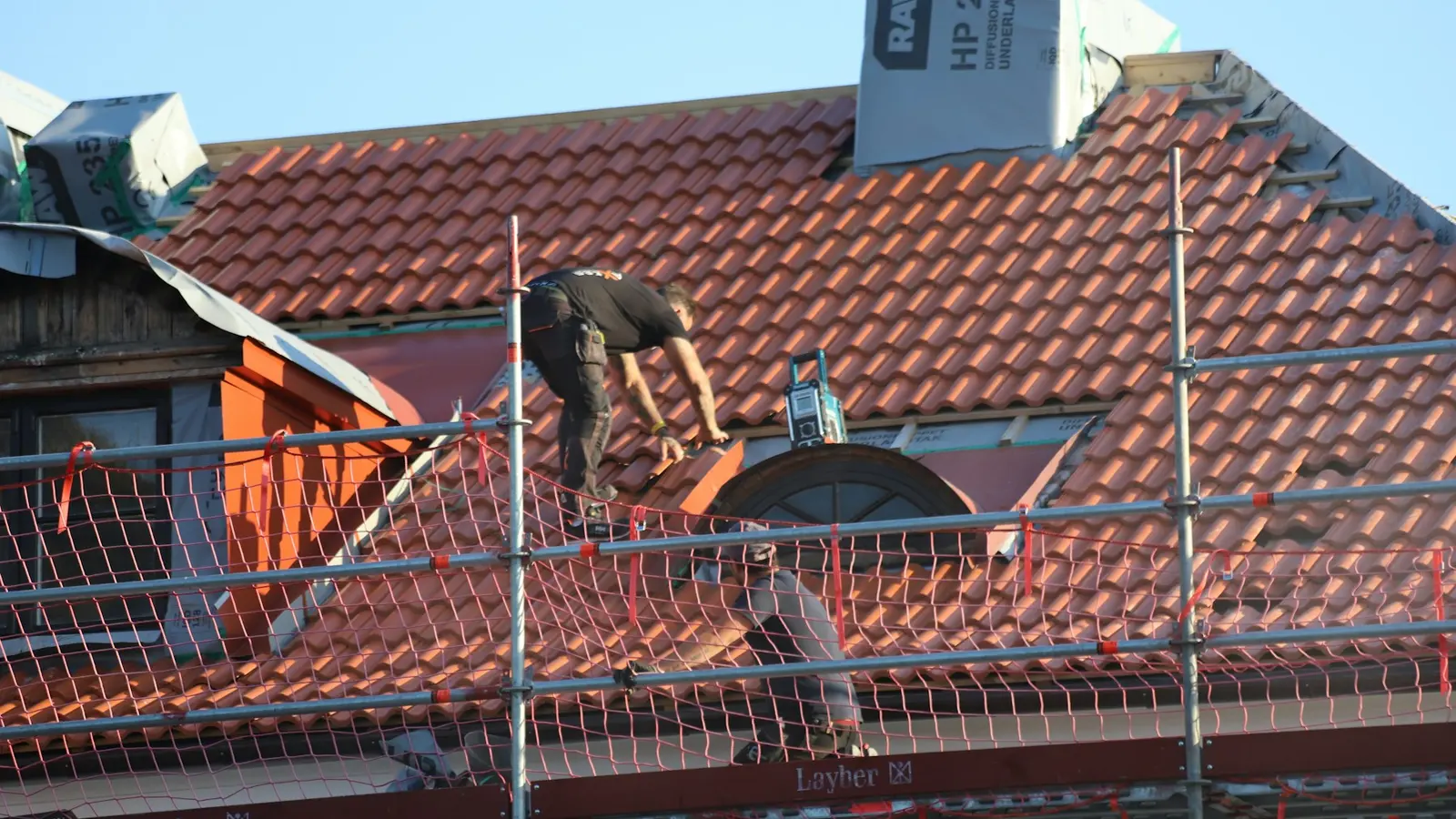
Worker examining a roof from secured access equipment
Safe access

Coordination

Agree access, records and communication before attendance

The enquiry should identify keys, inductions, permits, escort needs, parking or loading arrangements and who receives findings. For managed or shared buildings, clarify whether tenants, owners, factors, insurers or professional advisers need to be consulted. The website does not state that any particular accreditation, insurance level or attendance window is already in place.

  • Share procurement requirements for later verification.
  • Name one coordinator for access changes.
  • Set the required report audience and file format.

Scope and handover

Urgent protection, investigation and planned work serve different needs

An active ingress event may first require a safety or containment decision, while planned maintenance can follow a documented condition process. Keep temporary measures, investigation, repair scope and long-term options as separate decisions. Ask how findings, photographs, exclusions and recommended priorities will be handed over to the responsible person.

  • Record immediate hazards and business impact separately.
  • Define who approves further investigation.
  • Retain completion and material records with the building file.
Pitched roof edge, gutter and eaves viewed from ground level
Water route

Practical answers

Questions before an assessment

Can a commercial roof assessment happen while the premises are open?

That depends on the building, access and risks below. Occupancy and operational restrictions should be discussed before an access plan is agreed.

What documents should a property manager provide?

Available plans, specifications, previous reports, repair records, access procedures and the decision purpose are useful starting points.

Does this page confirm contractor credentials or insurance?

No. Check the appointed contractor's identity, competence evidence, insurance and procurement documents before work is agreed.

Next step

Ready to prepare the roof enquiry?

Request assessment

Tell us what you have noticed

Six short steps collect the details needed to route a roofing enquiry. Stay at ground level and never climb onto a roof to gather information.

Step 1 of 1