
Edinburgh RoofingSpecialists
Request assessment

Roofing enquiries in Leith

Leith enquiries often need the roof section, ownership arrangement and occupied spaces below described clearly before a repair or inspection route is chosen.

Close view of overlapping pitched-roof tiles and junctions
Edinburgh Old Town roofscape viewed across the city
Edinburgh roofs

Tenement context

Your flat, roof slope and shared ownership can shape the repair route

State which flat first showed the sign, which room is affected and whether the position is at the front, rear, gable or central valley. Check title deeds and factor information for common-roof responsibility. One resident can gather observations, but authority to inspect or instruct work may involve a wider owner process.

  • Map the affected room to a roof elevation.
  • Share factor details only with appropriate authority.
  • Record whether other flats have related observations.

Mixed-use streets

Coordinate residential access with premises at ground level

Shops, hospitality spaces, offices and homes can share the same roof or access route. Note opening hours, deliveries, alarms and customer areas below the affected edge. This information helps identify coordination questions without implying that work can proceed before occupiers and responsible owners agree the arrangements.

  • Identify separate entry systems and key holders.
  • Flag canopies, signs and extraction equipment below.
  • Name the person authorised to coordinate occupiers.
Roofing workers positioned on a large commercial roof
Commercial planning
Flat roof covering being installed around a roof opening
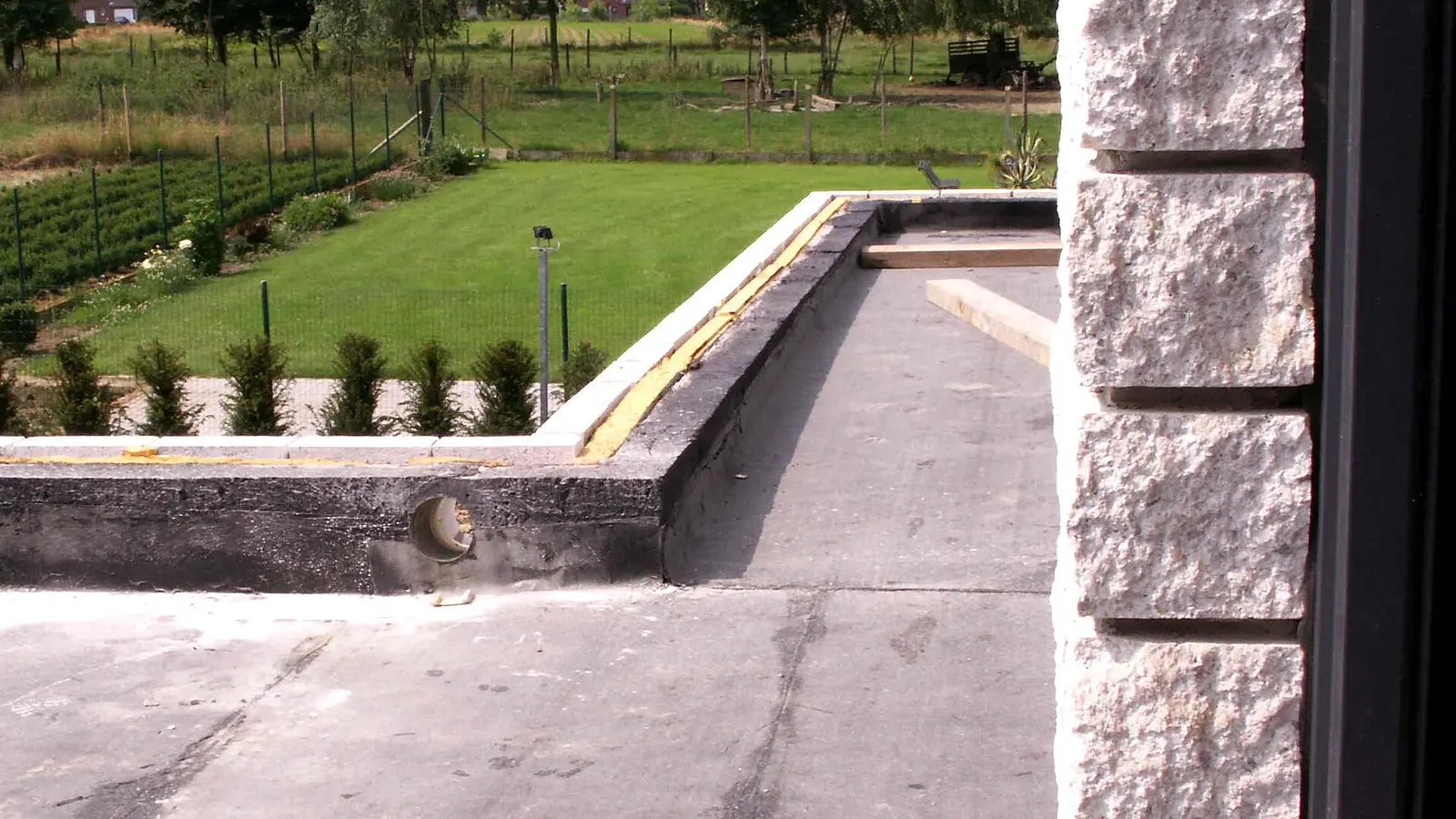
Flat roof detail

Roof sections

Distinguish the main pitched roof from later extensions

A property may combine slate or tile slopes, a flat rear addition, shared chimney stacks and several rainwater routes. Describe the specific section above the symptom and any adjoining higher wall or roof. Previous repairs to one section should not be assumed to explain a new issue elsewhere.

  • Separate main-roof and extension photographs.
  • Mark rooflights, vents and chimney positions.
  • Include old specifications when the section is clearly identified.

Drainage clues

Gutters and downpipes can connect problems across properties

Observe where overflow begins, which downpipe receives the run and whether water appears at a joint, wall or base. Long shared gutters may carry water past several addresses before discharge. Keep observations tied to rainfall and location, and avoid assigning responsibility from the point where staining happens.

  • Record the nearest downpipe and direction of the gutter run.
  • Take a safe wide video during rain if practical.
  • Do not climb to clear or test shared drainage.
Pitched roof edge, gutter and eaves viewed from ground level
Water route

Practical answers

Questions before an assessment

Can one flat owner arrange a common-roof repair?

That depends on title deeds and the building's decision process. Check the relevant documents and coordination requirements.

What if the leak appears above a commercial unit?

Include the unit's occupied hours, access contact and the residential or shared roof arrangement so the enquiry can be coordinated.

Should I choose flat roofing or roof repairs?

Choose flat roofing when the concern clearly relates to a flat-roof section. Use roof repairs or inspections when the roof type or cause is uncertain.

Next step

Ready to prepare the roof enquiry?

Request assessment

Tell us what you have noticed

Six short steps collect the details needed to route a roofing enquiry. Stay at ground level and never climb onto a roof to gather information.

Step 1 of 1