Edinburgh RoofingSpecialists
Request assessment

Flat roofing in Edinburgh

A flat-roof enquiry is more useful when it distinguishes the surface, edges, outlets, penetrations and room below. Safe observations can guide the assessment without roof access.

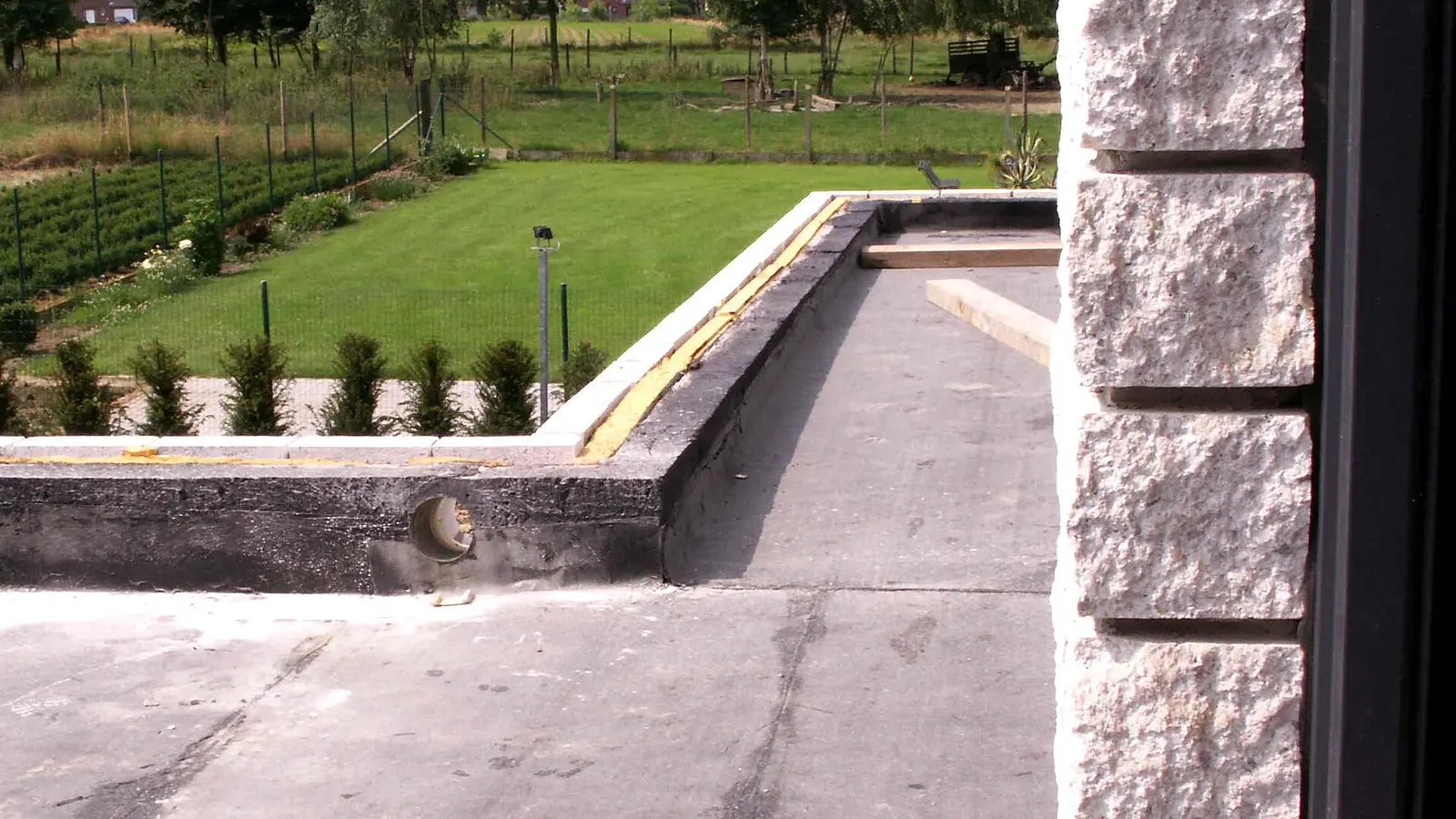
Flat roof covering being installed around a roof opening
Flat roof detail

Visible signs

Where water appears can point to the affected roof detail

From inside, identify the room, wall or ceiling position and whether the sign aligns with an edge, outlet, rooflight or junction. From a normal window, you may be able to note standing water, debris or an obvious surface change without leaning out. Do not step onto a flat roof; it may be fragile even when it looks accessible.

  • Mark the interior location on a simple sketch.
  • Note whether symptoms follow prolonged or wind-driven rain.
  • Avoid clearing outlets or testing the surface yourself.
Roof build-up

Existing covering and previous layers affect the questions

Felt, single-ply membranes, liquid-applied systems, asphalt and other coverings have different seams and details. Old invoices, guarantees or specifications can help identify the system, but should not be assumed to describe later overlays or patches. Include any known insulation or ventilation changes to the room below.

  • Share product names only when documented.
  • Mention previous overlays and repaired penetrations.
  • Describe whether the space below is heated, occupied or changing use.
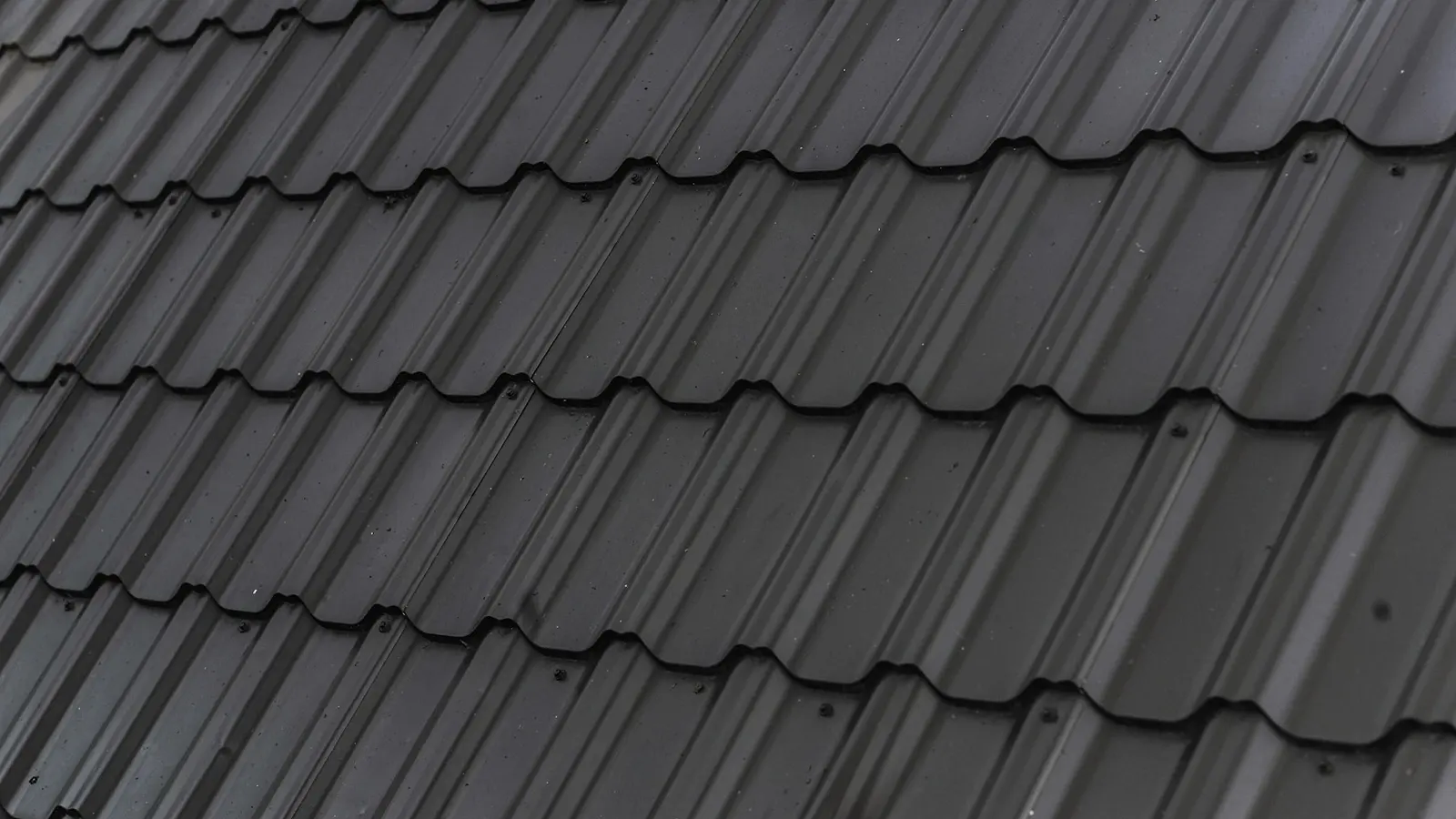
Close view of overlapping pitched-roof tiles and junctions
Roof covering
Pitched roof edge, gutter and eaves viewed from ground level
Water route

Edges and outlets

Drainage performance is part of the flat-roof assessment

Water needs a route to an outlet or edge. Overflow, staining down one wall, vegetation at an outlet or persistent ponding visible from a safe position are useful observations. Upstands, parapets, door thresholds and rooflights also create junctions that may need to be considered with the main surface.

  • Identify the number and location of visible outlets.
  • Record overflow separately from internal leakage.
  • Include adjoining walls and higher pitched roofs in photographs.

Scope decision

A patch, local repair or wider renewal depends on condition and compatibility

The size of the damp mark does not necessarily reveal the extent of the roof issue. Moisture within layers, multiple previous repairs, edge defects or incompatible materials may affect the appropriate scope. An assessment should explain the evidence behind an option and what is included, rather than relying on a generic lifespan or square-metre price.

  • Ask whether moisture testing or opening-up is proposed.
  • Clarify insulation, outlets and edge details in the scope.
  • Confirm how occupied areas below will be protected and coordinated.
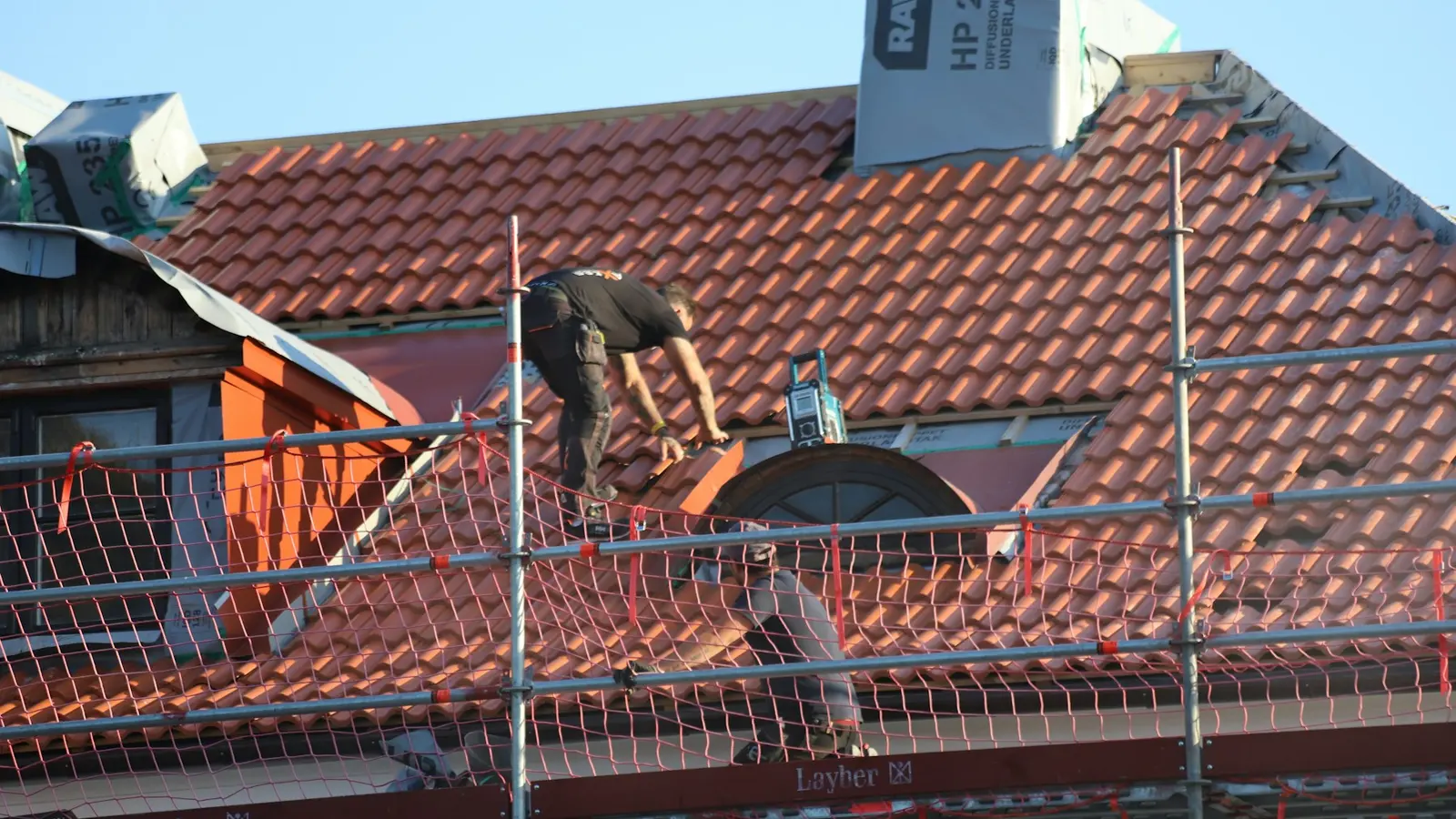
Worker examining a roof from secured access equipment
Safe access

Practical answers

Questions before an assessment

Can I walk on a flat roof to look for damage?

No. A flat appearance does not make a roof safe or non-fragile. Use only normal interior, ground-level or window viewpoints.

Does standing water always mean the covering has failed?

Not by itself. It is useful drainage evidence, but condition, falls, outlets and the roof system need assessment.

Can a flat roof be repaired without replacing it?

Sometimes a local option may be considered, but compatibility, moisture, previous layers and the extent of defects determine whether that is appropriate.

Next step

Ready to prepare the roof enquiry?

Request assessment

Tell us what you have noticed

Six short steps collect the details needed to route a roofing enquiry. Stay at ground level and never climb onto a roof to gather information.

Step 1 of 1