
Edinburgh RoofingSpecialists
Request assessment

A clearer way to request roofing help

The website is organised around the decision a property owner needs to make: describe the visible signs, add building context and request an appropriate assessment without unsafe investigation.

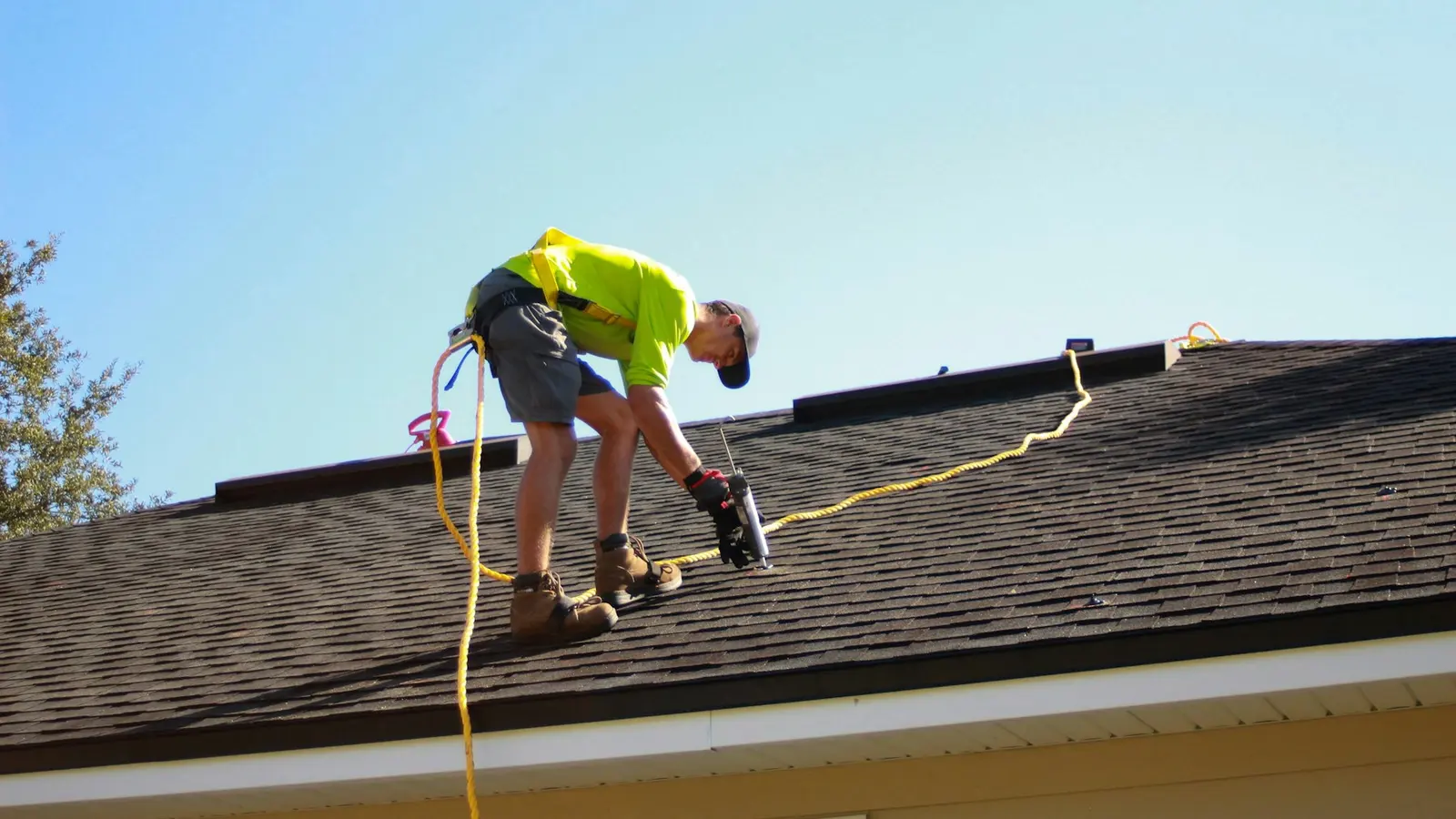
Worker examining a roof from secured access equipment
Close view of overlapping pitched-roof tiles and junctions
Roof covering

Working method

Start with observations that can be checked

Each service page separates what a visitor can safely observe from what requires assessment. Timing, location, property type, access and previous records are treated as useful evidence. A ceiling stain or distant photograph is not presented as a diagnosis, and the site avoids generic promises about price, attendance or outcomes.

  • Observed facts are kept separate from assumptions.
  • Access and ownership are raised before work is discussed.
  • Service boundaries are stated alongside calls to action.

Edinburgh-aware

Traditional fabric and shared ownership receive practical context

The content accounts for tenement common parts, factors and owner decisions, as well as listed-building and conservation questions. It prompts visitors to check title deeds and current council requirements rather than offering legal or planning advice. This creates better questions without claiming that every Edinburgh property has the same arrangement.

  • Building status is checked, not guessed from appearance.
  • Shared-roof authority is not assumed from the affected flat.
  • Material changes remain subject to property-specific review.
Edinburgh Old Town roofscape viewed across the city
Edinburgh roofs
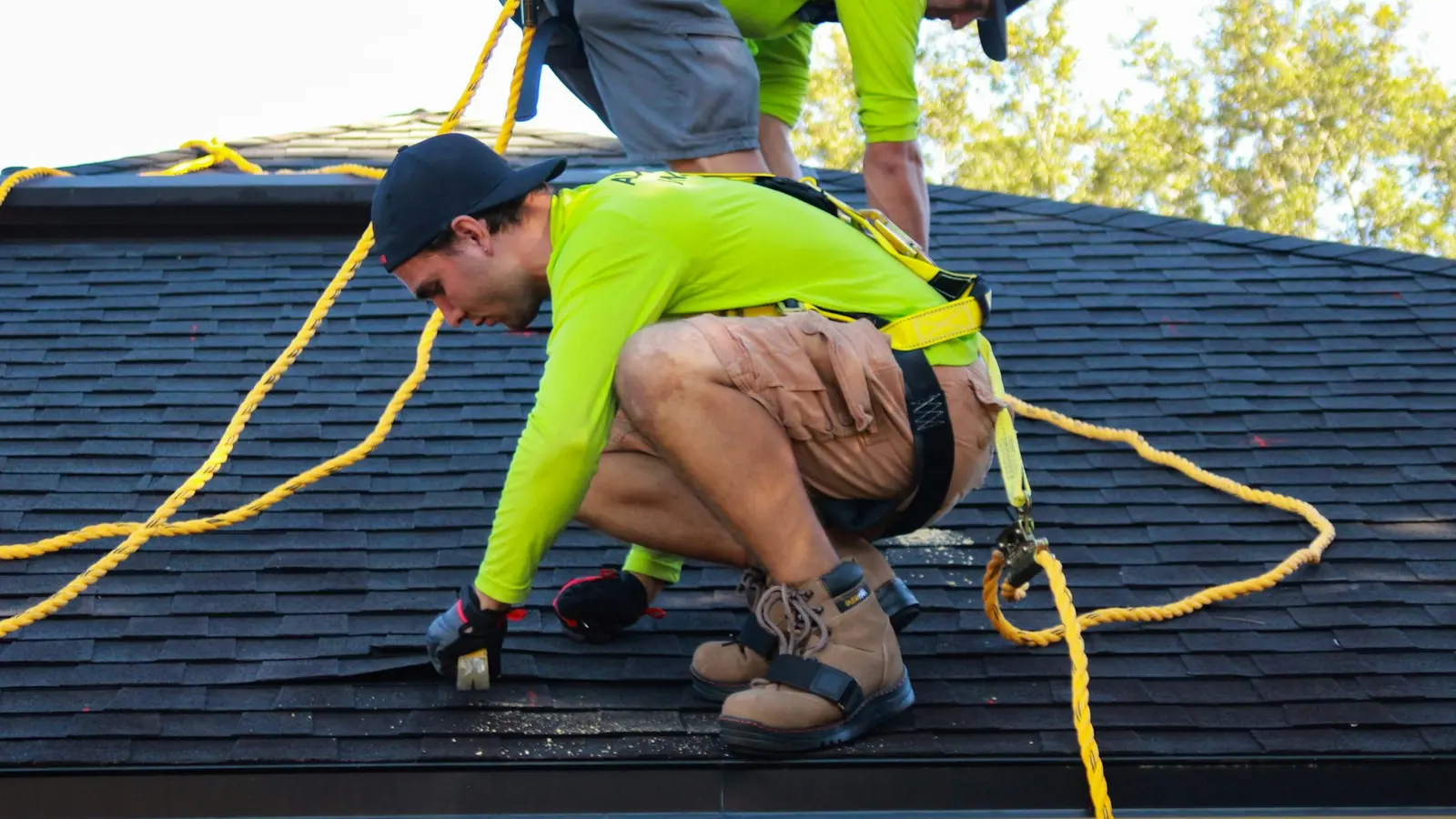
Roofing workers using secured access on a pitched roof
Roof assessment

Safety-led

The enquiry never requires a visitor to work at height

HSE guidance identifies roof work as hazardous and highlights fragile-surface risk. The site therefore asks for interior, ground-level or normal-window observations only. It tells visitors to keep clear of unstable ceilings, wet electrics and falling material, and to use an appropriate urgent route where people or the public face immediate danger.

  • No ladders or roof access are requested.
  • Safe evidence is prioritised over close-up images.
  • Immediate hazards are separated from routine enquiries.

Evidence before claims

Service claims stay limited to what can be verified

Prices, response times, credentials, insurance, service commitments and customer reviews can materially affect your choice of roofer. They are published only when current evidence is available, so the service information does not rely on invented proof or generic promises.

  • Trading claims need current evidence.
  • Reviews need an approved, traceable source.
  • Scope and timing are confirmed for the individual property.
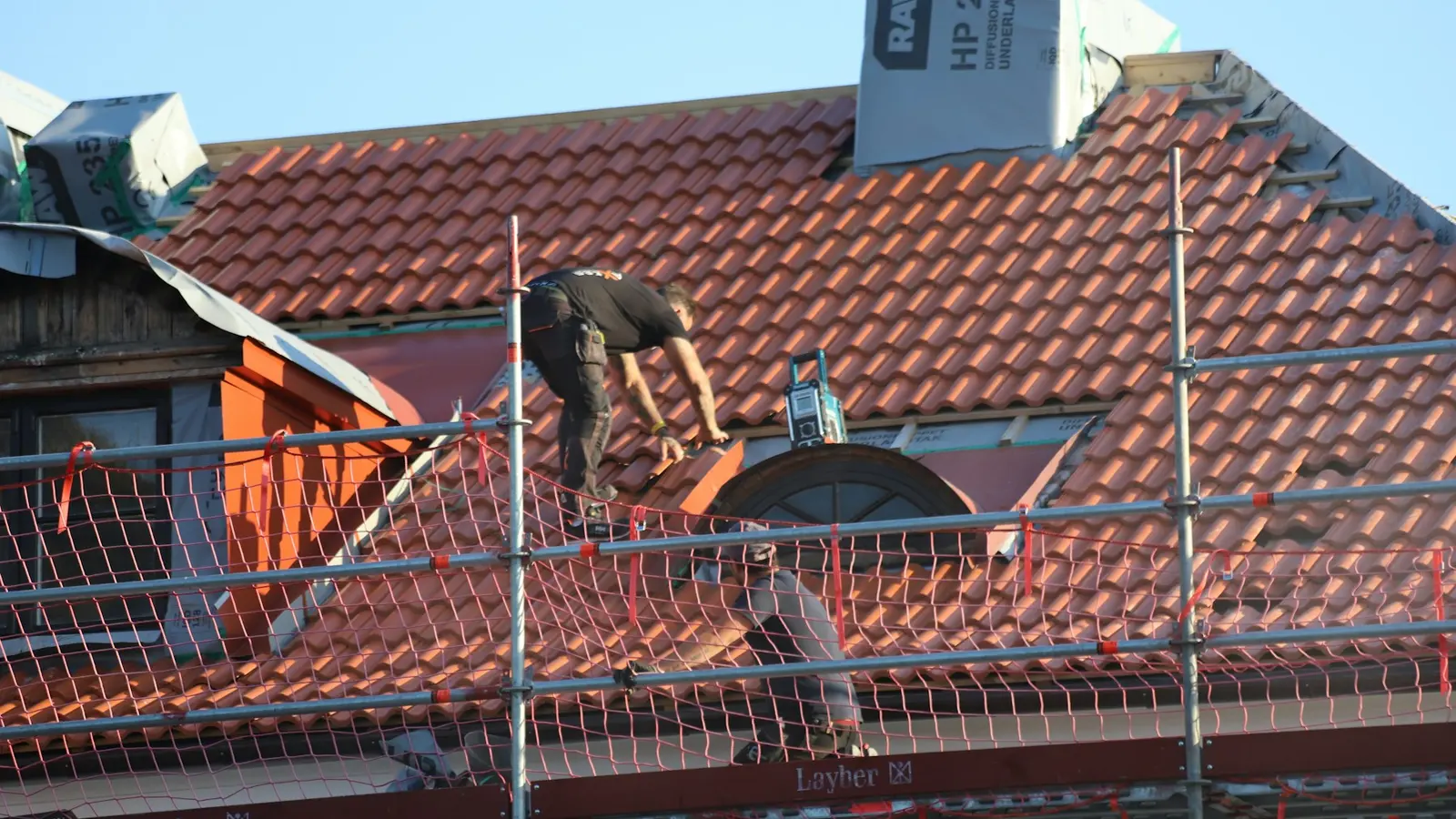
Roofing workers positioned on a large commercial roof
Commercial planning

Practical answers

Questions before an assessment

Why are unsupported service claims omitted?

Price, availability, credential and outcome claims can influence a roofing decision, so they are included only when they have current supporting evidence.

Why are there no reviews or accreditation logos?

No approved sources have been supplied. Reviews, memberships, credentials and insurance claims are not published without verification.

What can I decide from the website alone?

You can compare service routes and understand the information likely to matter, but inspection, access, scope, timing and price still depend on the individual property.

Next step

Ready to prepare the roof enquiry?

Request assessment

Tell us what you have noticed

Six short steps collect the details needed to route a roofing enquiry. Stay at ground level and never climb onto a roof to gather information.

Step 1 of 1