
Edinburgh RoofingSpecialists
Request assessment

Roof repairs in Edinburgh

Describe the location, timing and visible evidence of a roof concern. A repair assessment can then consider the likely inspection scope without treating a stain or photograph as a diagnosis.

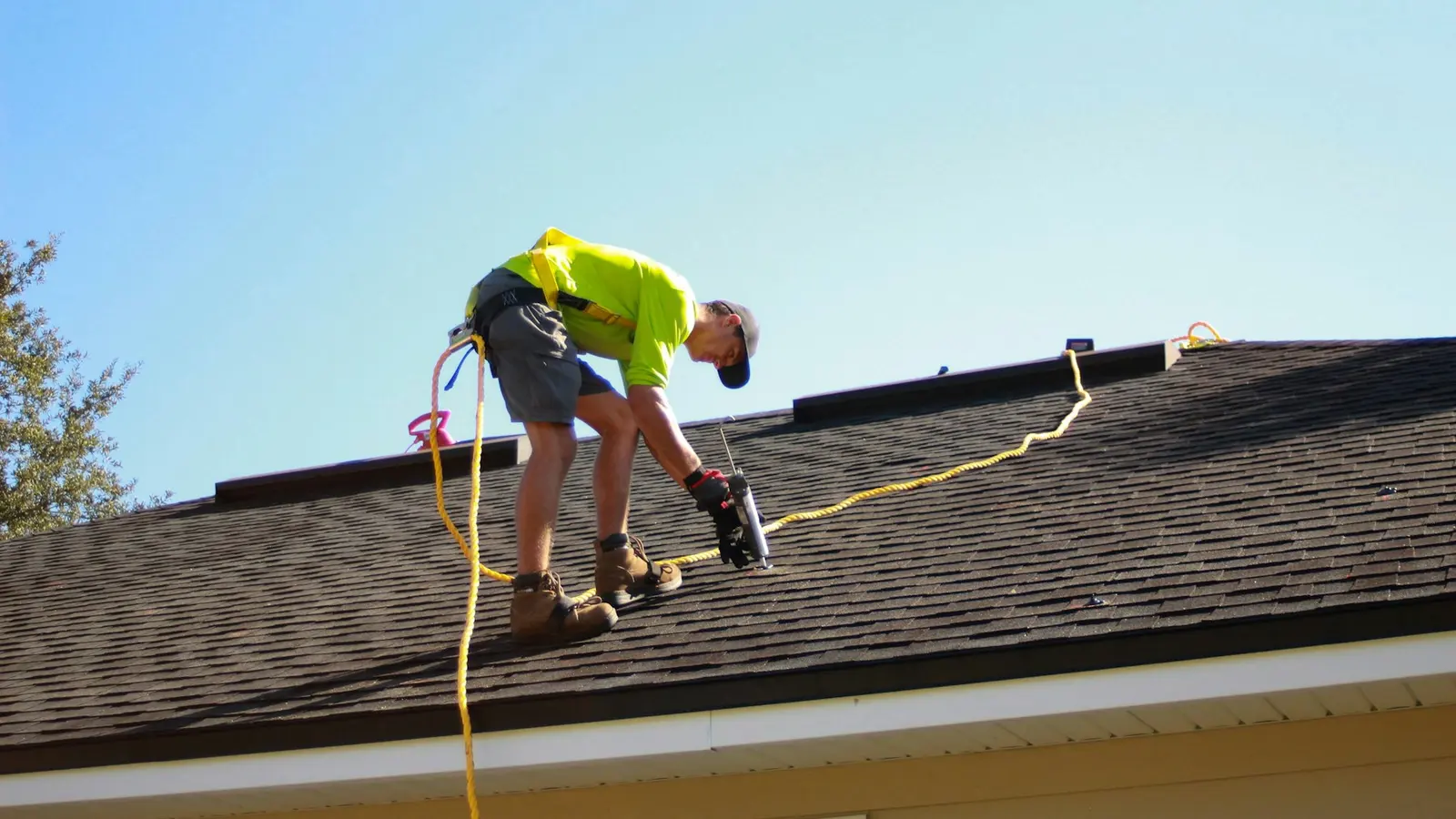
Roofing workers using secured access on a pitched roof
Close view of overlapping pitched-roof tiles and junctions
Roof covering

First observations

Is the leak active, historic or isolated?

State whether water is currently entering, appeared only during a particular period of rain, or left a dry historic stain. For exterior signs, record loose or missing material seen from the ground, debris found below, or a change noticed from a normal window. This timeline helps distinguish a current safety concern from a planned repair enquiry.

  • Name the room, elevation and approximate position.
  • Record the date and weather when the sign changed.
  • Keep clear of sagging ceilings and falling-material zones.

Investigation scope

The visible symptom may not be the point where water enters

Water can move along roof coverings, membranes, timbers and junctions before appearing indoors. A ceiling mark beneath one slope may therefore require surrounding ridges, valleys, flashings, penetrations and rainwater routes to be considered. Share previous repair records if available, but avoid assuming that an earlier defect has returned without assessment.

  • Include nearby chimneys, roof windows and valleys.
  • Mention previous patching without claiming it caused the issue.
  • Retain uncropped photographs so surrounding context remains visible.
Worker examining a roof from secured access equipment
Safe access
Edinburgh Old Town roofscape viewed across the city
Edinburgh roofs

Property access

A useful repair enquiry explains how the affected area can be approached

Identify the building type, storey, street or rear access, parking restrictions and any lower roof, conservatory or public route below. In a tenement or shared property, explain who can provide common-stair or loft access and who is coordinating owners. Access planning belongs before any attendance or equipment decision is made.

  • Provide the full postcode and entry arrangement.
  • Flag locked closes, shared gardens and occupied premises.
  • Check ownership responsibilities for common roof sections.

Repair decision

Scope and options follow evidence, not a generic online price

The appropriate next step may be a closer inspection, a local repair discussion, monitoring, or a broader review when repeated defects suggest a larger condition issue. Materials, safe access and the extent of concealed damage can all affect scope. The assessment form gathers context but does not promise a fixed price, response time or repair outcome.

  • Ask what evidence the proposed scope is based on.
  • Clarify whether making-good below the roof is separate.
  • Keep permissions and shared-owner approvals in view.
Roofing workers using secured access on a pitched roof
Roof assessment

Practical answers

Questions before an assessment

Can a ceiling stain show exactly where the roof is leaking?

No. Water may travel before appearing indoors, so surrounding coverings, junctions and drainage routes may need assessment.

What should I do if material is falling from the roof?

Keep people away from the area below and do not climb up to investigate or retrieve material. Escalate any immediate public-safety concern through an appropriate urgent route.

Can a repair be priced from photographs alone?

Photographs can support an enquiry, but access, materials, extent and concealed conditions may need to be understood before a scope or price is discussed.

Next step

Ready to prepare the roof enquiry?

Request assessment

Tell us what you have noticed

Six short steps collect the details needed to route a roofing enquiry. Stay at ground level and never climb onto a roof to gather information.

Step 1 of 1